


Lien waivers, signed in minutes.
Guides, state requirements, and how-tos for general contractors who want to stop chasing waivers by email.

The client who negotiates before day one will dispute your invoice after
Scope creep does not start when a client asks for something outside the contract. It starts the moment they test whether your price is negotiable, before the first tool comes off the truck.
Read postMore from the blog
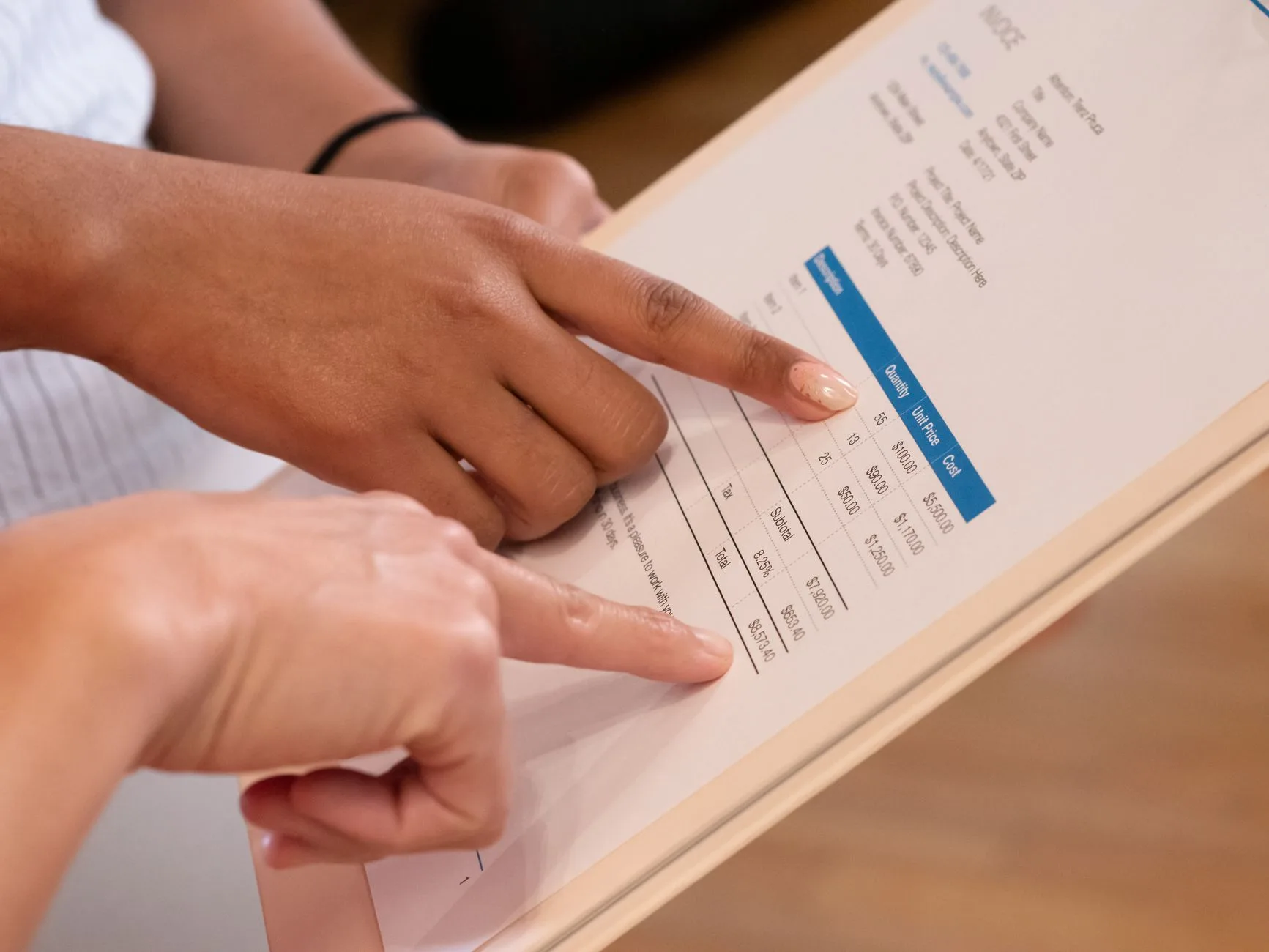
Why clients dispute your material markup (and how the contract prevents it)
Every contractor charges for sourcing, delivery, storage, and carrying cost on materials. Clients only dispute it once the work is installed and they have nothing left to negotiate with except your invoice.
Read post
The retainage carveout your lien waiver might be missing
"All rights through this date" releases everything performed through that date, billed or not, retained or not. Here is the exact clause that protects retainage, and where it actually needs to go.
Read post
Why Subcontractor Payments Take So Long, and How GCs Cut That Time
General contractors get paid within 30 days more than twice as often as their subs do. Here's where the payment cycle actually stalls, with sourced data, and what closes the gap first.
Read post
Conditional waiver and release on progress payment: the form you sign with every pay app
This is the waiver you sign over and over, one per draw. Send the conditional with the pay app, get paid, repeat. Here's what it actually does and the mistakes that cost subs their lien rights.
Read post
Free lien waiver tracking spreadsheet (and when to stop using one)
Download a free lien waiver tracking spreadsheet built for GCs. It works great up to about five active jobs. Here's the template, how to use it, and the line where it stops being enough.
Read post
Lien waivers for subcontractors: how GCs collect them without chasing
The hard part isn't the form. It's getting every sub to send the right one back, every pay period. Here's the collection system GCs use so one missed waiver never becomes a lien on the owner's property.
Read post
Unconditional waiver and release on progress payment: don't sign it until the money clears
This is the waiver that releases your lien rights on signature, whether the check clears or not. There's one rule: don't sign it until the funds are verified in your account. Here's why, and the law behind it.
Read post
The Best Pay App Software for Construction (2026): 7 Tools Compared
Procore Pay, Siteline, GCPay, Textura, Built, Trimble Pay (Flashtract), and LienDone compared head to head. Pricing where it's public, what each one is actually good at, and how each handles the lien waiver side.
Read post
California Conditional Lien Waiver (§8132): The Full 2026 Guide
California §8132 is the only conditional progress waiver that holds up in a Cal-Sup court. One missing field, one substituted word, and the form is paper. Here is the full 2026 walkthrough.
Read post
What Is a Lien Release in Construction? (And Why It's Not a Waiver)
A lien release is filed after a mechanic's lien lands on your title. A lien waiver is signed before. Mixing the two is how clean projects get messy.
Read post
How to check if your lien waiver will hold up in court (free AI audit)
A lien waiver that doesn't match the state's statutory form may be worthless in court. Five things to check, a manual checklist, and a free AI audit that does the same work in 30 seconds.
Read post
Why lien waiver tracking breaks at 5+ active jobs (and the system that fixes it)
Two projects, a spreadsheet works. Five projects, you miss a waiver, lose a payment cycle, and learn what a sub lien actually looks like. Here's the system that holds up.
Read post
Subcontractor filed a lien on a house you already paid for. How to never be that GC
A sub can lien the property even when you, the GC, have already been paid in full by the homeowner. The homeowner pays twice. You lose the next two jobs. Here's the fix.
Read post
Arizona lien waiver and release forms: the four statutory forms under A.R.S. §33-1008
Arizona Revised Statutes §33-1008 sets the exact text of the four lien waiver and release forms. Generic forms aren't enforceable. Notarizing one can void it.
Read post
Conditional lien waiver in Texas: the §53.284 forms, explained
Texas Property Code §53.284(b) covers conditional progress, §53.284(d) covers conditional final. Both protect the sub if the check bounces. Here's how to send them right.
Read post
Conditional lien waiver: the pillar guide for GCs and subs (2026)
A conditional lien waiver is the form you send before a payment clears. If the funds settle, the lien rights release. If they don't, they stay alive. Here's the full pillar guide.
Read post
Conditional waiver and release upon final payment: what it does (and when to sign it)
California Civil Code §8136 and Texas Property Code §53.284(d) both prescribe a conditional waiver and release upon final payment. Same idea, different language. Here's when to sign it, and when not to.
Read post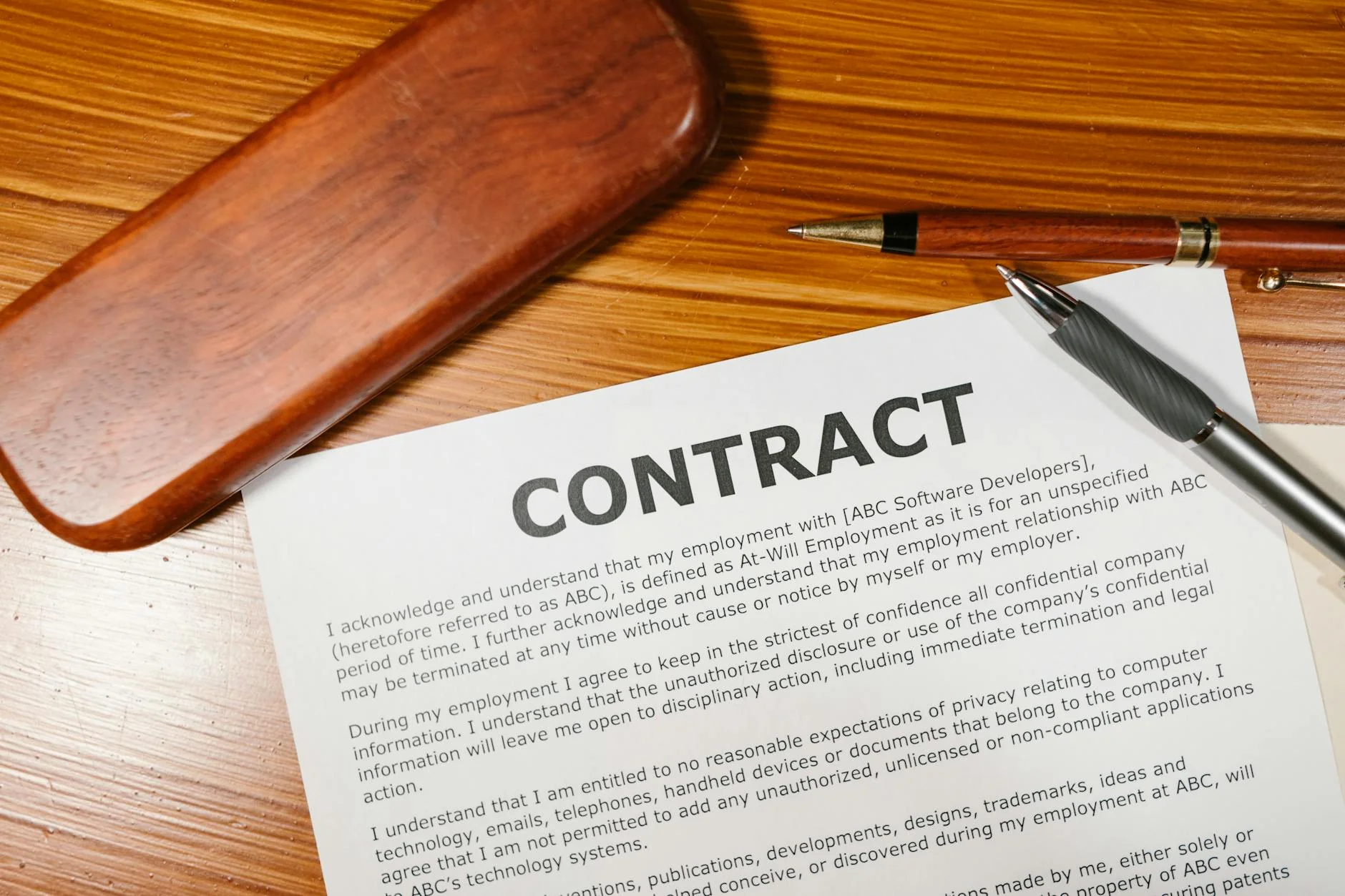
Conditional waiver of lien. The 2026 guide to the form and its older phrasing
A conditional waiver of lien releases lien rights only when payment clears. The phrase shows up most in eastern state statutes and older form titles. Same form, older wording.
Read post
Construction lien waiver. A field guide for the people running the job.
Most lien waiver guides read like a law school outline. This one is written for the people cutting checks on Friday afternoon. Four waiver types, payment-chain mechanics, sub vs supplier rights, and the job-site mistakes that turn a signed PDF into a lawsuit.
Read post
Contractor lien release: what it is, when you need one, and how to file it
A lien waiver prevents a lien. A lien release removes one that's already been filed. Same goal, different documents, very different paperwork.
Read post
Contractor lien waiver: who signs, who collects, and how the chain works
GC, sub, supplier, sub-tier sub: every contractor in the chain signs and collects different lien waivers. Here's the map most articles skip, in plain English.
Read post
GC (general contractor) explained. Role, license, pay, paperwork
GC stands for general contractor. They sign the prime contract, hire the subs, pull the permits, run the schedule, bill the owner, and own the lien waiver loop. Here is the whole role in plain English.
Read post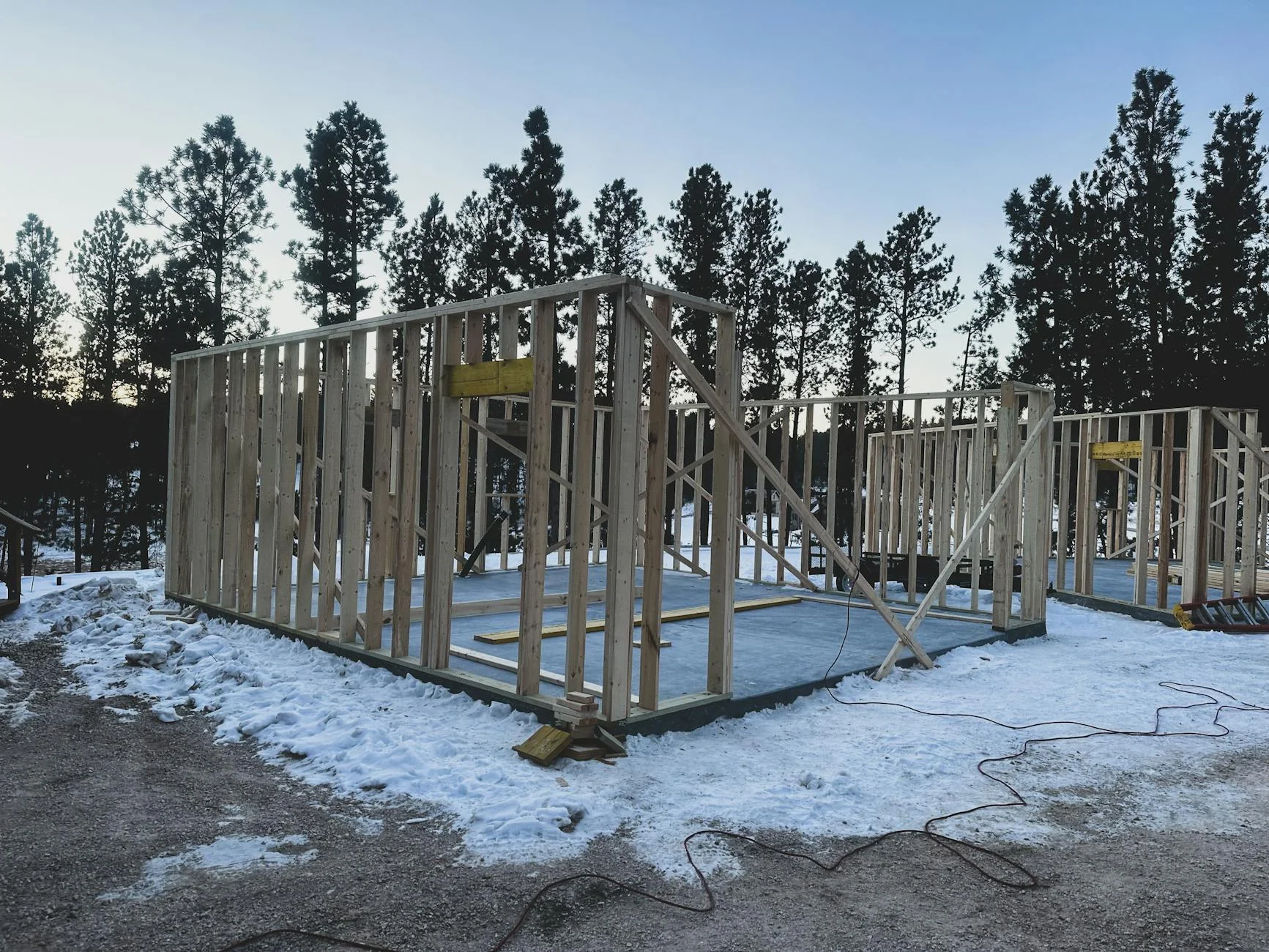
How to file a mechanics lien in Idaho: a step-by-step 2026 guide
Idaho Code §45-507 lets contractors, subs, and suppliers record a lien within 90 days of their last work. Miss the deadline by a day and the right is gone.
Read post
How to fill out a lien waiver: a field-by-field guide for 2026
Five fields, one signature, and a few traps that void the form. Here's exactly what goes in each box and what each one releases.
Read post
Intent to lien letter. What it is, when to send it, and what goes in it.
An intent to lien letter is the final warning before a mechanics lien. Roughly 47% of them get paid within 20 days. Here's what to put in one.
Read post
Lien waiver for subcontractors: the 2026 guide written for the sub
Most lien waiver guides are written for the general contractor. This one is written for you, the sub. The form you sign is the last legal lever you have on a job. Don't give it up for free.
Read post
Lien waiver form Florida: the §713.20 guide for general contractors
Florida's lien waiver rules sit in one statute, §713.20. Two prescribed forms, no advance waivers, no required notary, and a useful conditional-check trick most GCs don't use.
Read post
Lien waivers in construction. The complete 2026 guide for GCs and subs
A lien waiver is a signed release of mechanic's lien rights in exchange for a construction payment. Here is the full system. Types, timing, statutory states, payment chain, and the rule that protects every party from losing money on a bounced check.
Read post
Mechanics lien Louisiana: the Private Works Act, plain English
Louisiana calls it a privilege, not a mechanics lien. The Private Works Act (La. R.S. 9:4801 et seq.) sets the deadlines, the form, and the parish where you file. Get one wrong and your privilege dies.
Read post
Mechanic's lien Wyoming. The 2026 filing guide for contractors and subs
Wyoming Statutes Title 29 puts three clocks on every job. A 30-day preliminary notice, a 120 or 150 day filing window, and a 180-day enforcement deadline. Miss any of them and the lien is dead.
Read post
New Jersey mechanics lien law: deadlines, the NUB, and what trips up contractors
New Jersey's lien law adds a Notice of Unpaid Balance and arbitration step before any residential lien can attach. Miss the 60-day NUB and the lien is dead.
Read post
Notice of completion. What it is, who files it, and why it shortens lien deadlines.
A notice of completion is a recorded document that fixes the end date of a project. In California, filing one shortens the direct contractor lien deadline from 90 days to 60.
Read post
Pay application: what it is, the AIA G702/G703 cycle, and why it isn't an invoice
A pay app is a request for payment with proof of work, anchored by the AIA G702 cover and G703 schedule of values. It rides on a monthly cycle, rolls up the contracting chain from sub-sub to owner, and almost never moves without a lien waiver riding along.
Read post
Release of lien from a subcontractor: what it means and when you need one
Most of the time, asking a sub for a release of lien just means asking for a signed lien waiver. The waiver itself contains the release. Here's how that works.
Read post
Should I sign a lien waiver before payment? A subcontractor's guide
Conditional waivers before payment are fine. Unconditional waivers before payment can cost you the entire job. Here's how to tell them apart and what to say when a GC pushes back.
Read post
Subcontractor lien waiver, explained: what it is, why you sign it, and the four forms that exist
A subcontractor lien waiver releases lien rights in exchange for payment. There are four versions, and using the wrong one costs subs money and GCs lawsuits.
Read post
Subcontractor lien waiver form: the four types, what they say, and which one to send
There are four subcontractor lien waiver forms, not one. Pick the wrong one and you either lose your lien rights or pay a sub who never gave them up. This breaks down all four with real form language.
Read post
Subcontractor lien waiver form PDF: what makes one actually enforceable
Most "free subcontractor lien waiver PDFs" online are generic. In 12 states, generic doesn't hold up. This post covers what makes a PDF enforceable and what doesn't.
Read post
Types of contractors. A plain-English map of who does what on a job site
GC, first-tier sub, sub-tier sub, specialty trade, supplier, 1099 independent. Six labels people use for "contractor." Here is what each one actually means.
Read postTypical payment terms for contractors. A plain-English 2026 guide
Most contractors run on Net 30, monthly progress draws, 5 to 10 percent retainage, and a final payment after closeout. Pay-when-paid, pay-if-paid, and state prompt payment acts decide the rest.
Read post
Unconditional waiver and release upon final payment: only sign after the money clears
An unconditional waiver and release upon final payment closes out every lien right on the job the second a sub signs. California Civil Code §8138 and Texas Property Code §53.284(e) say the same thing in different words. Don't sign until the money is in your account.
Read post
Waiver of lien form: what makes one actually enforceable
Most waiver of lien forms online are unenforceable in 12 states and timed wrong in the other 38. This guide covers the four types, the statutory states, and the rules that turn a signed PDF into a real release.
Read post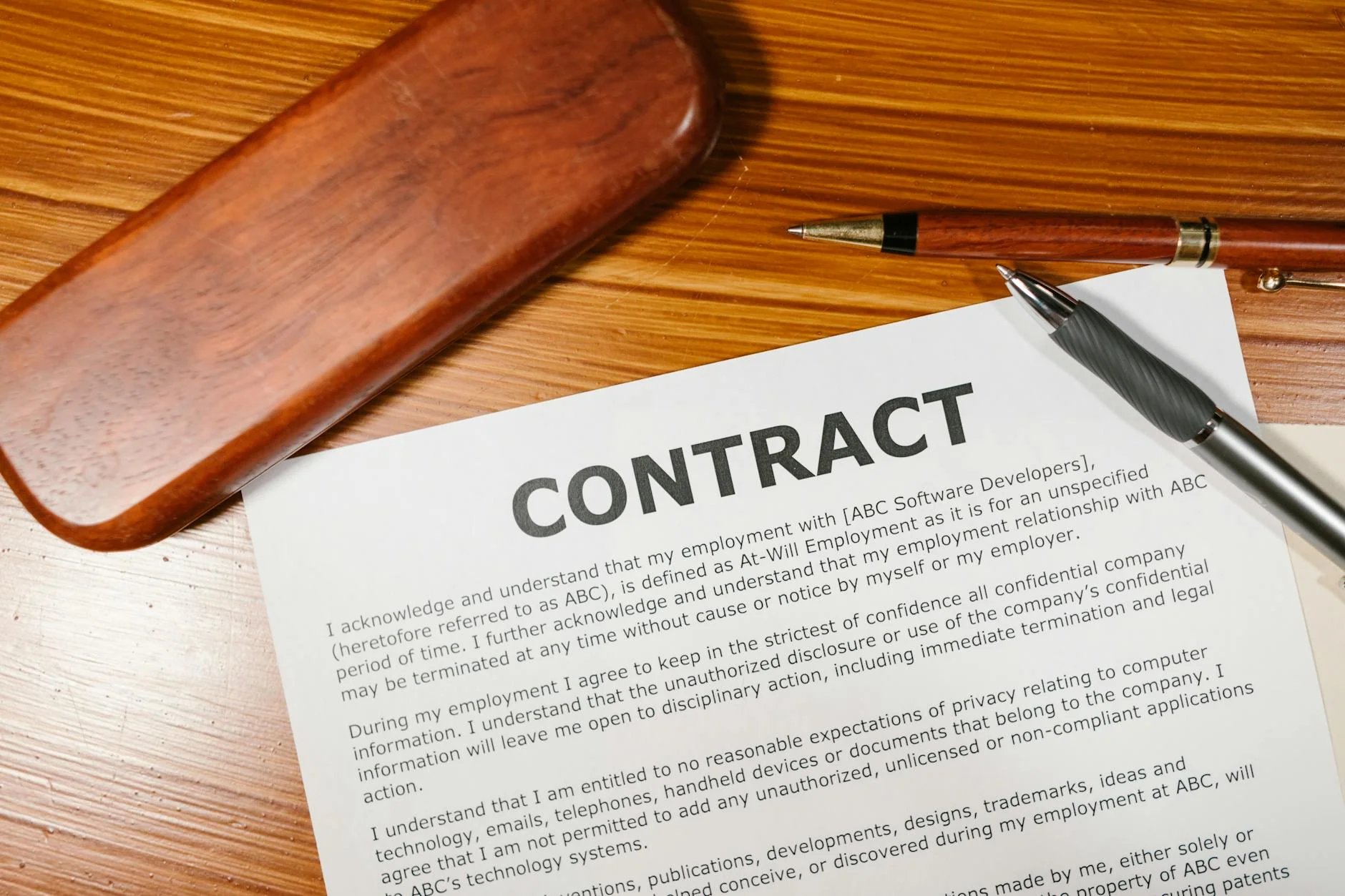
What is a conditional lien waiver? Plain-English answer with examples
A conditional lien waiver only takes effect when the payment actually clears. If the check bounces, the lien rights stay intact. Here's the plain-English version.
Read post
What is a lien waiver in construction? A plain-English guide for GCs and subs
A lien waiver is a signed promise to give up lien rights in exchange for payment. It's how money moves down the chain in construction without anyone getting stiffed.
Read post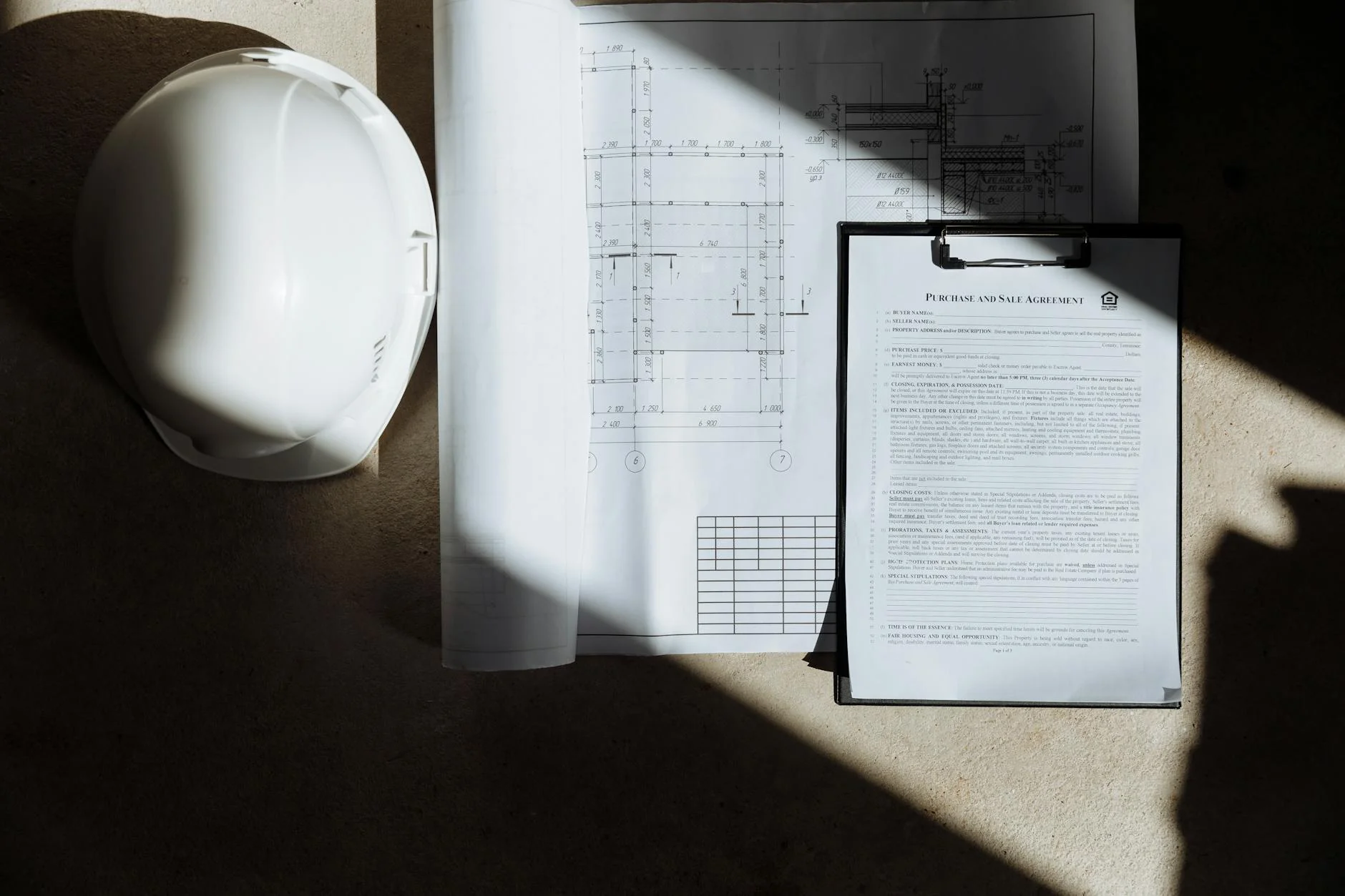
What is a lien waiver used for? A plain-English guide for 2026
A lien waiver swaps lien rights for payment. The owner gets proof the work is paid for, the sub confirms the money landed, and the property stays clear.
Read post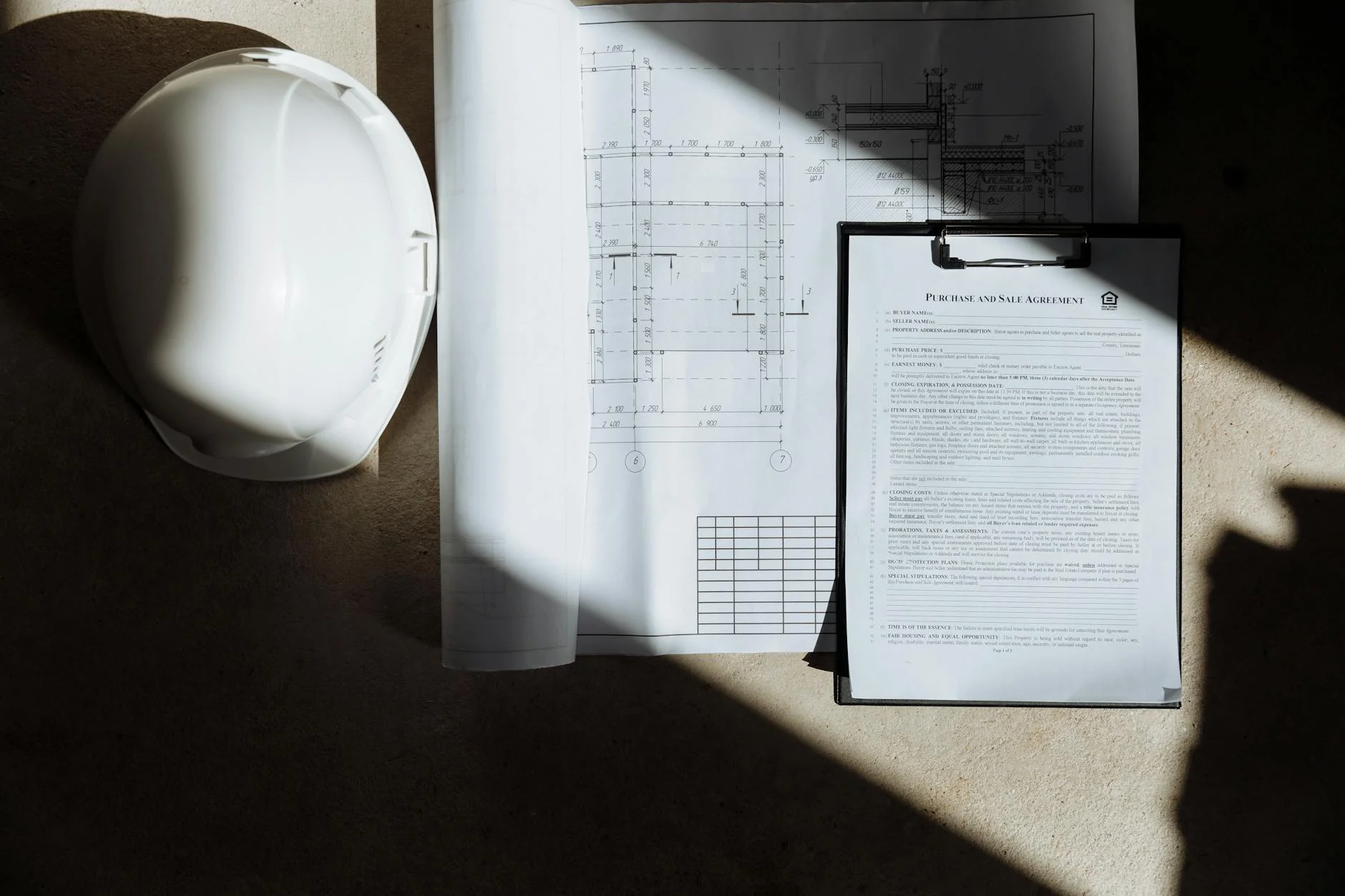
What is a preliminary notice in construction. A plain-English guide for 2026
A preliminary notice is the pre-claim paperwork that keeps your lien rights alive. Forty states require it. Miss the deadline and the lien you'd file in three months won't hold up.
Read post
What is a subcontractor agreement? The clauses that actually matter in 2026
A subcontractor agreement spells out the scope, price, insurance, indemnity, and lien waiver flow before a single screw is driven. The lien waiver clause is the line most GCs get wrong.
Read post
What is a waiver of lien? A plain-English guide for GCs and subs
A waiver of lien and a lien waiver mean the same thing. Different states write the words in different orders. Here is what the document actually does, why it matters, and the four versions you will see.
Read post
What is GC Pay? The product, the workflow, and where it fits
GCPay is a pay-application platform from Autodesk. "GC pay" also describes the general contractor payment loop. This guide covers both, then maps where lien waiver software fits.
Read post
How to send a lien waiver to a subcontractor in two minutes
Skip the email chase. Pick the project, pick the sub, pick the form, send the link. Two minutes from your end, two minutes from theirs.
Read post
Conditional vs unconditional lien waivers: what GCs need to know
A conditional waiver releases the lien when the check clears. An unconditional waiver releases it the moment the sub signs. Pick the wrong one and you're exposed.
Read post
California lien waiver requirements: a 2026 guide for general contractors
California Civil Code §8132, §8134, §8136, and §8138 prescribe the exact text of the four lien waivers. Generic forms aren't enforceable. Use the statute.
Read post
Texas lien waiver requirements: Property Code Chapter 53 explained
Texas requires four statutory lien waiver forms by Property Code. Generic templates aren't enforceable. Here's the right form for every payment phase.
Read post
Why subcontractors don't sign lien waivers (and how to fix it)
Subs don't ignore waivers because they're disorganized. They ignore them for five specific reasons. Fix those reasons and the signatures come back fast.
Read postStop chasing waivers by email.
Send the link, watch the dashboard, release the payment. That's the loop.