


What is a conditional lien waiver? Plain-English answer with examples
A conditional lien waiver releases the sub's lien rights only after payment clears. Here's how it works, when to use it, and a real example.
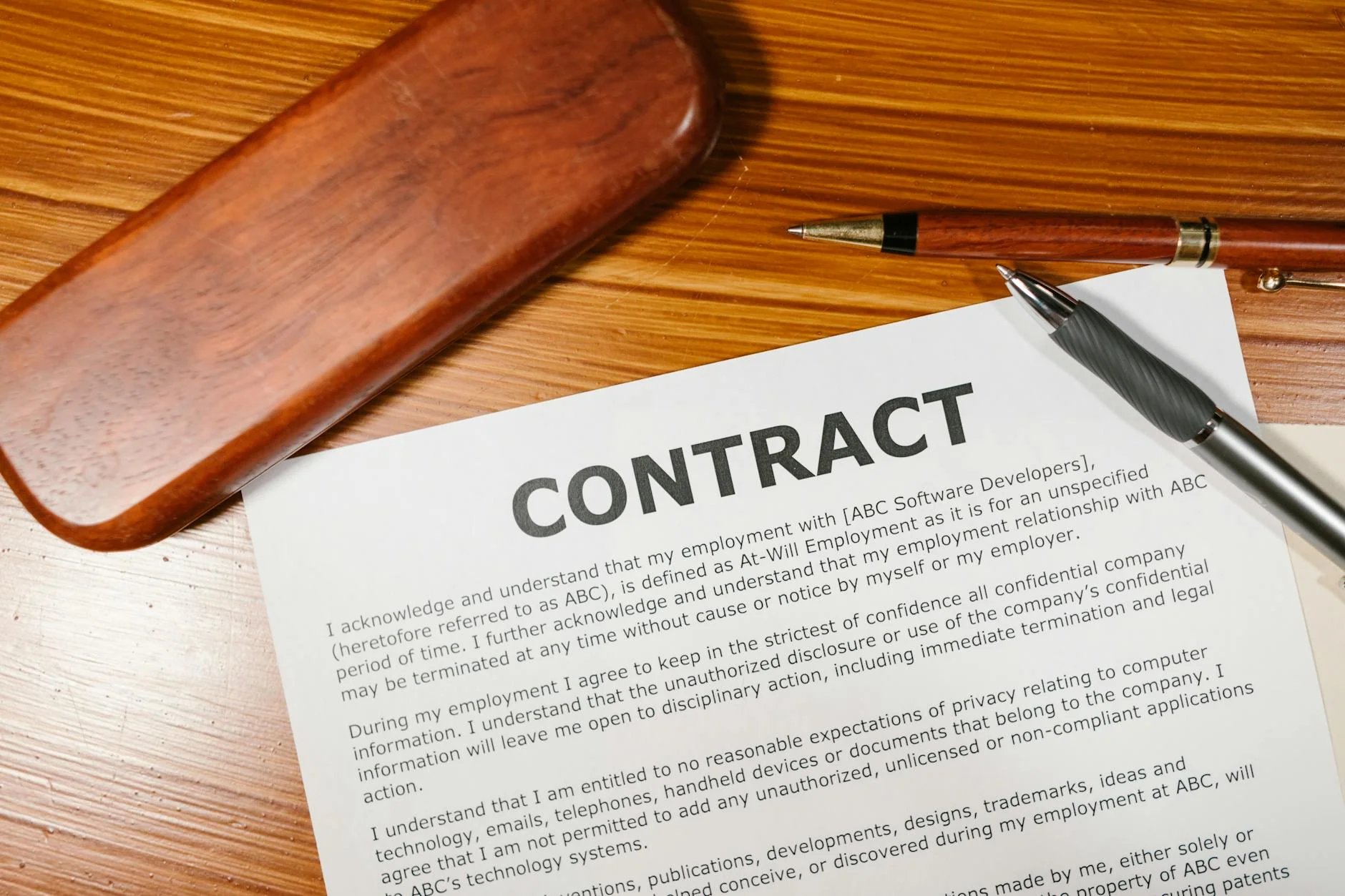
A conditional lien waiver is a signed release that only takes effect once the payment actually clears.
If the check bounces, the funds reverse, or the wire never lands, the waiver has no effect. The sub keeps every lien right they walked in with. That's the whole idea.
This is the form most subs are willing to sign before payment, because it doesn't ask them to trust a piece of paper over their bank balance. It's also the form most state statutes treat as the default for progress payments.
The plain-English definition
A conditional lien waiver says: "I'll give up my mechanic's lien rights for this work, but only if the money I'm being promised actually shows up."
The release is contingent on payment. If the payment fails, the lien rights stay alive. If the payment clears, the lien rights release on the date and amount written on the form.
Compare that to an unconditional lien waiver, which releases lien rights the second the sub signs. No condition, no safety net. That's why the two forms exist as a pair. One is for "we're about to pay." The other is for "we already paid." If your template or state statute uses the older conditional waiver of lien phrasing (common in Michigan, Illinois, and most of the Northeast), it's the same form with the words in a different order.
Conditional progress vs conditional final
A conditional lien waiver comes in two flavors, depending on where you are in the job.
Conditional progress payment waiver. Used during the job, on every pay period. Releases lien rights for work invoiced through a specific date, on the condition the payment for that period clears. This is the form you send most often. In California it's Civil Code §8132. In Texas it's the form prescribed by Property Code §53.284.
Conditional final payment waiver. Used at closeout. Releases all lien rights for the entire project, on the condition the final payment clears. This is the form that closes the book on the sub's involvement in the job. In California it's Civil Code §8136.
The progress version protects this pay period only. The final version protects the whole job. Both versions wait for the money to settle before the release fires.
A real example, start to finish
You're a GC running a $2.1M renovation in Austin. Your electrical sub, Alvarado Electric, invoiced $48,200 for work through April 30.
Here's the flow:
- You generate a conditional progress lien waiver for $48,200, with April 30 as the through-date.
- Alvarado's PM gets a signing link, opens it on their phone, signs in 90 seconds.
- You release the $48,200 ACH the next morning.
- Two days later, the funds settle in Alvarado's account.
- The waiver's "condition" is now met. The lien rights for that work, through April 30, are released.
Now imagine step 4 didn't happen. Your bank flagged the transaction and reversed it. The funds never settle. Alvarado calls you on day five.
In that scenario, the conditional waiver they signed has no effect. Their lien rights for the $48,200 of work through April 30 are still alive. They can still file a mechanic's lien if you don't make them whole. The signed waiver is, legally speaking, just paper.
That's the protection a conditional waiver buys. It's why it's the default for every progress payment in the U.S. construction industry. For the broader breakdown of when each variant fits, conditional vs unconditional lien waivers covers the full four-type matrix.
What every conditional waiver needs
Whatever state you're in, a conditional lien waiver needs five elements to function:
- Claimant identification. Legal name of the sub or supplier.
- Project identification. Job address and owner name.
- Through-date. The cutoff date for the work being released.
- Payment amount. The dollar figure the release is conditioned on.
- Signature. Wet or electronic, both work in every U.S. state under E-SIGN.
In the 38 states with no statutory form, a clean PDF with those five elements holds up. In the other twelve, the statute prescribes specific language and the form has to substantially conform. Texas lien waiver requirements is one example where the statutory form is non-negotiable. California lien waiver requirements is another.
If you skip the through-date, you've created a waiver that releases lien rights for an indefinite period of work. Courts in some states will narrow it. Courts in others will read it as written. Don't roll those dice.
When you should not use a conditional lien waiver
A conditional waiver is the wrong form in two situations.
The payment already cleared. If the funds settled three days ago, the conditional waiver no longer protects anyone. The unconditional version is the cleaner audit document, because it removes the "if the payment clears" language and just states the release plainly. Send unconditional after the money moves.
The sub is asking for a final closeout while disputing a change order. A conditional final waiver releases all lien rights for the entire job. If there's an open dispute on a change order, the sub shouldn't sign it. They should sign a conditional progress waiver for the undisputed work, leave the disputed amount alive, and resolve that piece separately.
The Construction Financial Management Association's lien waiver essentials guide (CFMA) walks through more of these edge cases for subs who want to dig deeper.
How LienDone handles conditional waivers
When you generate a waiver request in our lien waiver software, the type defaults to conditional progress. That's the right answer for 90% of pay periods.
You pick the state, the type fills in the matching statutory form (or the generic version, if your state allows one). The amount and through-date pre-fill from your pay app. The sub clicks the link, signs in two minutes on their phone, and the signed PDF lands in your dashboard with a timestamp and IP address logged.
If the payment doesn't clear, you don't have to do anything special. The conditional language already protects both sides. If it does clear, the matching unconditional form is one click away to close out the audit trail.
The takeaway
A conditional lien waiver is the safer of the two. It's the form you send before the check clears, on every progress payment and at closeout. It releases lien rights only after the payment actually goes through, which is exactly what both sides want.
Use it as the default. Save the unconditional form for after the money settles. That's the entire decision tree, and it's the one rule that prevents 80% of lien waiver disputes from happening at all.
FAQ
What is a conditional lien waiver in simple terms?
A signed promise from the sub to release lien rights, but only if the payment actually clears. If the check bounces, the waiver has no effect.
When do you send a conditional vs unconditional lien waiver?
Conditional before the payment clears. Unconditional after. Conditional protects the sub. Unconditional protects the GC's audit trail.
Is a conditional lien waiver legally binding?
Yes. It's a binding contract once signed. The condition doesn't make it optional. It just means the release only triggers when the payment goes through.
What's the difference between progress and final conditional waivers?
Progress releases lien rights for work through a specific date. Final releases all lien rights for the entire job.
Do all 50 states accept the same conditional waiver form?
No. Twelve states require statutory forms. In the other 38, a generic conditional waiver with the right elements is enough.
Can a sub refuse to sign a conditional lien waiver?
They can, but most won't. Conditional is the version that protects them. Refusing it usually signals a billing dispute.
Frequently asked questions
A conditional lien waiver is a signed promise from the sub to release their lien rights, but only if the payment actually clears. If the check bounces or never arrives, the waiver has no effect and the lien rights stay intact.


Related tools and guides
Send your next waiver in two minutes.
Pick the project, pick the sub, hit send. The signed PDF lands in your dashboard.
Get startedSee pricing