


California lien waiver requirements: a 2026 guide for general contractors
California requires four statutory lien waiver forms by Civil Code. Here's what each one says, when to use it, and the language you can't change.
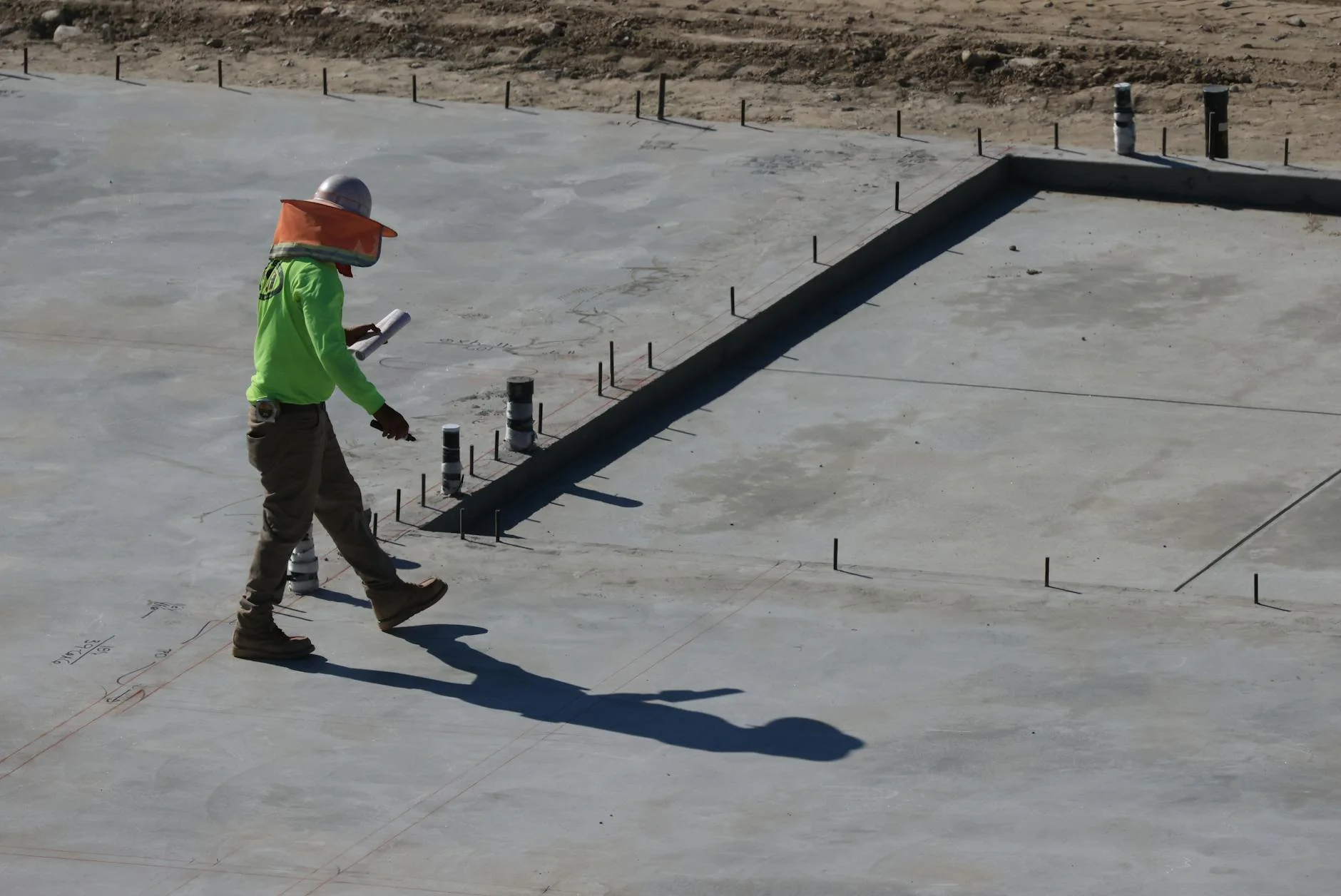
California is one of twelve U.S. states where a generic lien waiver form will not protect you. For the full state hub including filing deadlines and notice rules, see the California lien waiver guide.
The Civil Code spells out four specific forms, one for each combination of progress vs final payment and conditional vs unconditional. If your waiver doesn't substantially follow that language, the claimant can take the payment and still file a lien.
This post walks through what each section requires, when to use which form, and the common mistakes that make California waivers unenforceable.
The legal anchor
Four sections of the California Civil Code define the lien waiver landscape:
- Civil Code §8132: Conditional Waiver and Release on Progress Payment
- Civil Code §8134: Unconditional Waiver and Release on Progress Payment
- Civil Code §8136: Conditional Waiver and Release on Final Payment
- Civil Code §8138: Unconditional Waiver and Release on Final Payment
Each section prescribes the exact form a claimant must sign in exchange for that type of payment. The amendments that locked in the current language took effect in 2012 and have been the operative rule since.
If you want the official text, the California Legislative Information site is the canonical source (leginfo.legislature.ca.gov). What follows is a plain-English summary, not legal advice.
§8132: Conditional progress (the one you'll send most often)
This is the default form for every progress pay period.
What it says, in effect: the claimant identifies themselves, the customer, the job, and the through-date. They release lien rights for work and materials provided through that date, but only if the payment described actually clears.
What you fill in:
- Name of claimant
- Name of customer
- Job location
- Owner
- Through-date
- Amount of payment
What the form holds back: disputed claims, retentions, unbilled extras, and items already covered by a prior unconditional waiver. The statute lists those carve-outs by name. We unpack the carve-out language line by line in our California §8132 deep dive.
When the release fires: the moment the payment actually clears. If the check bounces, the waiver has no effect and the claimant keeps their lien rights.
This is the form you send when you cut the check, before the funds clear. It's the safest pattern for both sides. If you want a fillable starting point that already matches the statute, our conditional progress payment template ships with the §8132 language baked in.
§8134: Unconditional progress (only after the money clears)
The unconditional version of the progress waiver drops the safety net.
What it says, in effect: the claimant releases lien rights for work through the through-date immediately. There's no condition on payment.
The statute makes you put a warning in bold at the top of the form:
NOTICE TO CLAIMANT: This document waives the claimant's lien, stop payment notice, and payment bond rights effective on receipt of payment. A person should not rely on this document unless satisfied that the claimant has received payment.
That warning is part of the prescribed form. You can't drop it. If you do, the form fails the substantial-conformance test under §8132's preamble and is not enforceable.
When to send it: after the payment for that period has cleared the sub's account. Not before. Not "with" the check. After.
§8136: Conditional final (the closeout)
Same logic as §8132, but for the last payment of the job.
The form releases all of the claimant's lien rights for the entire project, on the condition the final payment clears. If the check bounces or the funds reverse, the waiver has no effect.
When to send it: with the final pay application. The sub signs it, you cut the final check, and once the funds clear, the lien rights are released for the job.
§8138: Unconditional final (the absolute closeout)
The unconditional final waiver releases all lien rights for the entire job the moment the claimant signs.
Like §8134, the statute requires a bold warning at the top: do not sign this until you've been paid. Same rule applies. If you ask a sub to sign §8138 before the final check clears, you're asking them to give up their last legal lever for free.
When to send it: after the final payment has cleared the sub's account. Then file the signed PDF as the closeout document for the job.
What makes a California waiver unenforceable
Four common mistakes:
- Substituting your own form for the statutory form. California enforces substantial conformance, not novelty. A waiver that says "I release all lien rights" without the prescribed structure is not enforceable.
- Dropping the warning on §8134 or §8138. The bold notice is part of the form. Removing it breaks substantial conformance.
- Sending unconditional before payment. The form is enforceable, but the sub gave up their lien rights on a payment that hadn't cleared. If the check fails, the sub has no recourse and you've just damaged the relationship.
- Forgetting to fill in the through-date or amount. A progress waiver without a through-date releases lien rights for an indefinite period. A waiver without an amount makes the consideration ambiguous. Both create litigation risk.
How LienDone handles California
California is exactly the kind of state where lien waiver software earns its keep: the §8132–§8138 forms are strict, and one substituted clause voids the release. The California lien waiver software page walks through the four forms and how each one fires. When you pick California in the form selector, LienDone fills in the §8132, §8134, §8136, or §8138 statutory form (whichever matches the type and phase you picked). The bold warning is included automatically on the unconditional forms. The amount, through-date, claimant, owner, and job address are pre-filled from your project and pay app data.
Your sub clicks the link, reviews the form, signs on phone or laptop, and submits. The signed PDF lands in your dashboard with the timestamp and the IP address logged for the audit trail. If you want to check an existing PDF against the §8132 wording before you trust it, the free AI compliance audit reads the form and flags missing clauses.
If you want the rest of the country, conditional vs unconditional lien waivers covers the four-type framework that applies in every state. How to send a lien waiver in two minutes walks through the day-to-day flow.
The takeaway for California GCs
Use the right Civil Code form for the right phase. Send conditional before the payment clears, unconditional after. Keep the bold warning on §8134 and §8138. File every signed PDF in one place.
That's the entire California lien waiver compliance loop. Most of the legal risk in California comes from skipping one of those four steps.
FAQ
Are non-statutory lien waivers enforceable in California?
No. California Civil Code §8132 through §8138 prescribe the four waiver forms. A waiver that doesn't substantially follow the statutory form is not enforceable.
Which California lien waiver should I send for a progress payment?
Conditional progress under Civil Code §8132. The lien rights only release once the payment actually clears.
When is the unconditional final waiver appropriate?
Only after the final payment has cleared the claimant's account.
Does California require notarization?
No. The four statutory forms don't require a notary.
What if I'm a sub-tier sub?
The same four forms apply. The statute treats every claimant equally.
Frequently asked questions
No. California Civil Code §8132 through §8138 prescribe the four waiver forms a claimant may sign in exchange for a progress or final payment. A waiver that doesn't substantially follow the statutory form is not enforceable.



Related tools and guides
Lien waiver generator
Pick a state, waiver type, and the parties. Get a filled statutory or standard waiver draft as a PDF, ready to review, print, and sign.
Try it freeCalifornia lien waiver rules
California prescribes four statutory lien waiver forms. Generic templates aren't enforceable.
Read the rulesSend your next waiver in two minutes.
Pick the project, pick the sub, hit send. The signed PDF lands in your dashboard.
Get startedSee pricing