


How to file a mechanics lien in Idaho: a step-by-step 2026 guide
Idaho gives you 90 days from your last day on the job to record a lien. Here's the exact filing process under Idaho Code §45-501 et seq.
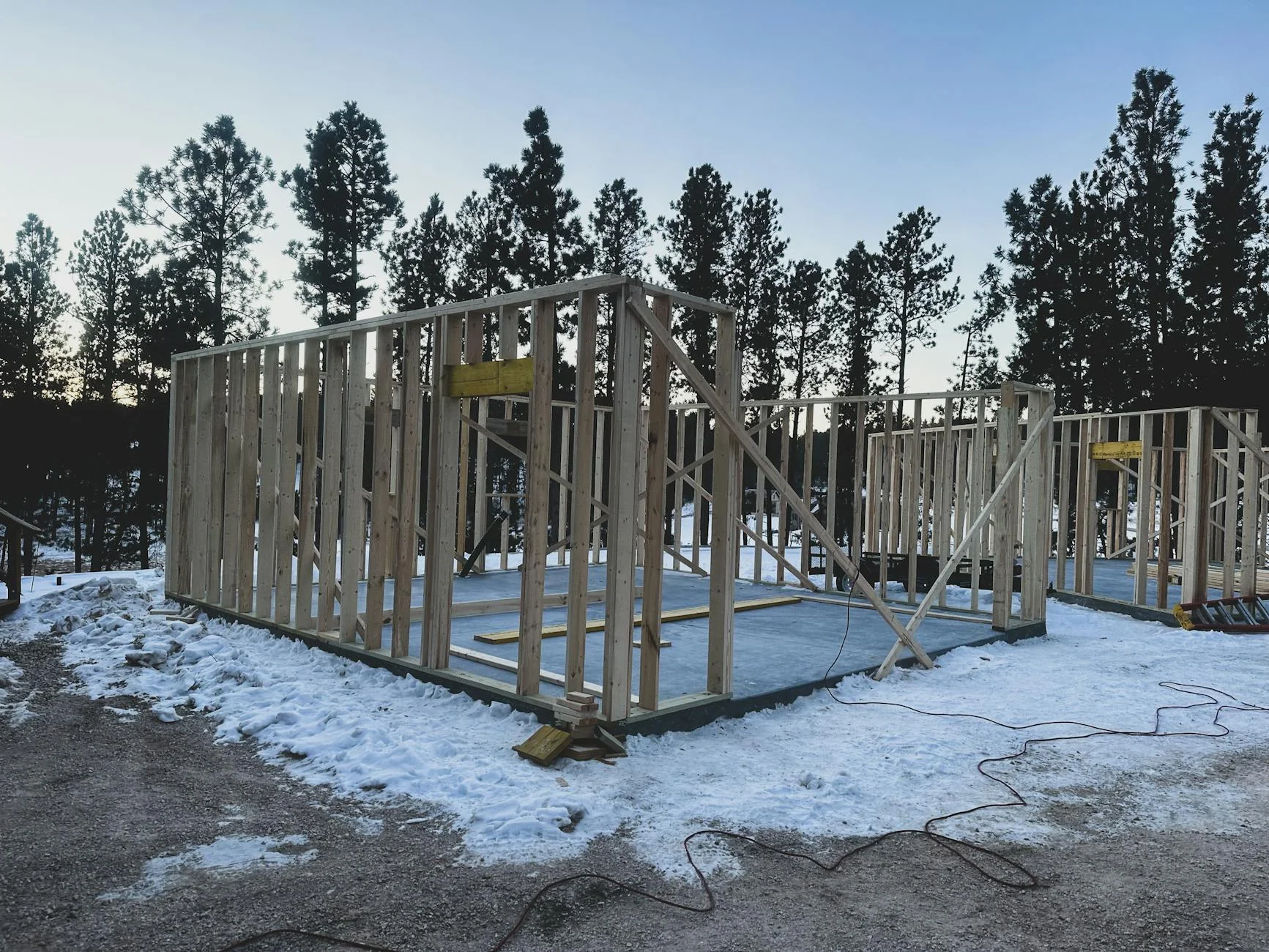
You finished the work in Coeur d'Alene six weeks ago. The owner stopped returning calls. Your invoice is unpaid and the bank account is making noises.
Idaho gives you 90 days from your last day on the job to record a mechanics lien against the property. Miss it and you're a regular unsecured creditor, in line behind everyone with collateral. File it correctly and the property itself stands as security for what you're owed.
This is the step-by-step process under Idaho Code §45-501 through §45-525, with the deadlines, the recording office, and the exact information that goes on the claim.
Who can file a mechanics lien in Idaho
Idaho's lien statute is broad. Idaho Code §45-501 grants lien rights to any person who, at the request of the owner or their agent, performs labor or furnishes materials that contribute to the improvement of real property.
In practice that covers:
- General contractors
- Subcontractors at any tier
- Material suppliers
- Equipment lessors who rent gear used on the job
- Architects, engineers, and surveyors who provide professional services
- Laborers and trade workers
You don't have to be licensed in Idaho to file (though you'd better be licensed if you're supposed to be; that's a separate fight). You don't have to be based in Idaho. You don't even need a written contract. Idaho is one of a handful of states where an oral agreement plus actual work is enough to establish lien rights, though you'll thank yourself for the paperwork when the foreclosure suit lands.
What you do need: real labor, services, or materials that improved the property, and an unpaid bill.
The 90-day filing deadline
This is the deadline that catches the most contractors out, so it gets its own section.
Idaho Code §45-507 requires the claim of lien to be filed within 90 days after the completion of the labor or services, or furnishing of materials.
Three things to know about how that clock runs:
- It starts on your last day on the job, not the project's last day. A drywall sub who finishes their scope in March can't piggyback on the GC's June completion date. Your 90 days run from your March exit.
- Punch-list and warranty work usually doesn't reset the clock. Idaho courts have repeatedly held that returning to fix a small item under warranty doesn't extend the lien deadline. The clock runs from substantial completion of your scope.
- Day 91 is too late. No grace period, no good-faith extension, no judge will save you. The 90-day window in §45-507 is jurisdictional. If your last day on site was February 8, your filing deadline is May 9.
If you're getting close, file. A premature lien is a worse problem than a late one, but a late one is fatal.
Pre-claim notice: when Idaho requires one
Most states make you send a preliminary notice within a tight window after starting work. Idaho is unusual: the answer for most projects is "no notice required."
For commercial projects, no preliminary notice is required at any tier. You can show up, do the work, and file the lien within 90 days without a single piece of pre-claim paperwork.
For residential projects with a contract over $2,000, the prime contractor (and only the prime) must deliver a Residential Disclosure Statement to the homeowner before the contract is signed, and obtain a signed acknowledgement. The disclosure explains the homeowner's rights and tells them how lien rights work. Skip it and the prime's lien is void as to that property. Idaho Code §45-525 makes the consequence clear.
Subs and suppliers don't have a residential-disclosure obligation. The duty falls on whoever signed the contract directly with the homeowner.
If you're a GC running residential work, the disclosure is the single biggest pre-claim trap in Idaho. Build the signature into your contract packet so it can't be skipped. Our California lien waiver requirements guide covers a similar statutory-form trap if you also work in California.
Where to record: the county recorder
Idaho mechanics liens are recorded with the county recorder in the county where the property sits. Not the secretary of state. Not the city clerk. Not the district court.
Each Idaho county runs its own recorder's office, and each has slightly different fees and forms. The 2026 baseline:
- Recording fee for the first page: typically $15
- Each additional page: $3
- Some counties charge a small surcharge for non-standard formatting
Most county recorders accept walk-in filings, mail-in filings, and a growing number accept e-recording through services like Simplifile or CSC. If your job site straddles two counties (it happens with linear projects, ranches, fence-line work), record the lien in both. The lien only attaches to the parcels in the county where it's recorded.
You can find the recorder's address and fee schedule on the county's official website. Idaho's secretary of state maintains a directory of all 44 county clerks and recorders if you don't know which county a property sits in.
What goes on the claim of lien
Idaho Code §45-507 is specific about what the document must contain. Leave any of these out and the recorder may reject it, or worse, accept it and the lien fails on a technicality during the foreclosure suit.
The required content:
- Claimant's name and address. Your business name as it appears on contracts.
- Owner's name (or reputed owner's name). Pull this from the county assessor's records if you don't have it from the contract.
- Hiring party's name and address. The party who hired you, if different from the owner. For a sub, this is the GC. For a supplier, it's whoever ordered the materials.
- Description of the property. A street address alone is not enough. You need a legal description (lot, block, subdivision, or metes and bounds) sufficient for identification. The legal description is on the deed and in the county assessor's records.
- Amount claimed, after deducting all just credits and offsets. This is your unpaid balance, net of any payments received and any back-charges you actually owe. Don't inflate it. An overstated claim is one of the fastest ways to lose a lien suit, and Idaho courts have ruled overstatements made in bad faith void the entire lien.
- A statement of the labor, services, or materials furnished. A short description, not a full timesheet.
- Verification under oath. Signed by the claimant, the claimant's agent, or the claimant's attorney, before a notary.
- For residential projects: acknowledgement of receipt of the Residential Disclosure Statement, signed by the owner. Attach it to the lien.
Some counties post a fillable claim-of-lien form on their website. Others don't, and you draft your own. Either is fine as long as the content above is included and the document is notarized.
How to file: the actual recording step
Once the claim of lien is drafted and notarized, you have three ways to get it on the record:
- In person. Walk it into the county recorder's office during business hours. They'll review for formatting, charge the recording fee, and stamp the document. You leave with a recording number and an instrument number, which is what proves the lien exists.
- By mail. Mail the original signed and notarized document plus a check for the recording fee plus a self-addressed stamped envelope. Use certified mail with return receipt so you have proof of mailing date. The recording date is the date the recorder actually stamps it, not the day you mailed it.
- E-recording. Counties like Ada, Canyon, Bonneville, and Kootenai accept electronic recording through Simplifile, CSC, or eRecording Partners. You upload the document, pay the fee, and the recorder typically processes within one business day. Faster, slightly more expensive, and worth it when the deadline is close.
Whichever method you use, get a copy of the recorded document with the recorder's stamp. That stamped copy is what you serve on the owner in the next step, and it's what your foreclosure suit will eventually attach as Exhibit A.
Serving the owner: the 5-day rule
This is the step a lot of contractors miss, and it kills otherwise valid liens.
Idaho Code §45-507(5) requires you to serve a true and correct copy of the recorded claim of lien on the owner (or reputed owner) within 5 business days of recording. Two ways:
- Personal service by a sheriff, constable, or other officer authorized to serve process
- Certified mail, return receipt requested, to the owner's last known address
Certified mail is what most contractors use, and it's what the statute specifically blesses. Mail it to the address on the property's tax records or the address from your contract. Save the certified-mail receipt and the green return-receipt card. Those become evidence if the owner later claims they never got the lien.
If you record on a Monday, your certified mail needs to be in the mailbox by the following Monday (5 business days, weekends excluded). Don't push it. Mail the day after recording.
After filing: the 6-month enforcement clock
Recording the lien doesn't get you paid. It puts a cloud on the title that stops the owner from selling or refinancing cleanly, which often gets you paid as a side effect. If it doesn't, you have to enforce.
Idaho Code §45-510 gives you 6 months from the date of recording to file a foreclosure lawsuit in the district court of the county where the property sits. Six months. Not from your last day on the job. From the day the recorder stamped the lien.
A few realities that catch people:
- No extensions. Unlike some states, Idaho doesn't allow you to file a notice of extension. Six months is six months.
- Name everyone. The 2014 Idaho Court of Appeals decision in ParkWest Homes v. Barnson held that lien claimants must name all parties with a recorded interest in the property, including mortgage holders, in the foreclosure suit. Miss a defendant and the lien may be invalid against them.
- The lien dies if you don't sue. If you let 6 months pass without filing, the lien expires by operation of law. It will still show on title until you record a release, but it's no longer enforceable.
Most Idaho construction-payment disputes settle once the lien is recorded and a foreclosure suit is threatened. The 6-month clock is what gives the threat teeth. Hire a construction attorney before month 5.
How LienDone fits in
Idaho is one of the easier states to file in once you understand the process. The hard part isn't the lien — it's keeping enough waivers, change orders, and payment records on hand that you can prove the unpaid balance when you do file.
LienDone's lien waiver software handles the upstream side: every conditional and unconditional waiver tied to a payment, every signed PDF stored with a timestamp, every dollar accounted for. So when you do need to file in Idaho (or anywhere else), the documentation is one click away.
If you also work in states with different rules, our Florida lien waiver form guide, Arizona lien waiver and release forms guide, and Louisiana mechanics lien guide cover the equivalent process in each. New Jersey runs on yet another system. See the New Jersey mechanics lien law guide.
The Idaho-specific signing flow is on our Idaho lien waivers state page.
The takeaway for Idaho contractors
File within 90 days of your last day on the job. Record at the county recorder where the property sits, with a notarized claim of lien that includes the owner, the hiring party, the legal description, and the net amount owed. Mail a stamped copy to the owner by certified mail within 5 business days. Sue to foreclose within 6 months or the lien dies.
Six dates to remember:
- Day 0: Last day on the job
- Day 90: Filing deadline (Idaho Code §45-507)
- Day 90 + 5 business days: Owner-service deadline
- Day 90 + 6 months: Foreclosure-suit deadline (Idaho Code §45-510)
Get those four dates onto your calendar the day you walk off site. The rest of the process is paperwork.
FAQ
How long do I have to file a mechanics lien in Idaho?
90 days from the last date you furnished labor, services, or materials. Idaho Code §45-507. Day 91 is too late.
Where do I record the lien?
With the county recorder in the county where the property sits. If the property crosses county lines, record in both.
Does Idaho require a preliminary notice before I file?
Not for commercial projects. For residential work over $2,000, the prime contractor must deliver a Residential Disclosure Statement to the homeowner before contract.
Do I have to notarize the claim of lien?
Yes. Idaho requires the claim to be verified under oath, which means notarized.
Once filed, how long do I have to enforce?
Six months from the date of recording. File a foreclosure suit in the district court of the county where the property sits. No extensions.
Can I file a lien if I never had a written contract?
Yes. Idaho doesn't require a written contract, only that you actually furnished labor, services, or materials. Get a written contract going forward anyway.
Frequently asked questions
90 days from the last date you furnished labor, services, or materials to the project. Idaho Code §45-507 is strict on this. Day 91 is too late, even by an hour.



Related tools and guides
Lien deadline calculator
Pick a state and the last day of furnishing. Get the mechanic's lien filing deadline to the day, with the notice rules that go with it.
Try it freeIdaho lien waiver rules
Idaho does not prescribe a waiver form, but a waiver of lien rights is only effective if backed by consideration.
Read the rulesSend your next waiver in two minutes.
Pick the project, pick the sub, hit send. The signed PDF lands in your dashboard.
Get startedSee pricing