


Conditional waiver of lien. The 2026 guide to the form and its older phrasing
A conditional waiver of lien is the same form as a conditional lien waiver. Here's why the word order matters, where the phrase comes from, and how to fill it out.
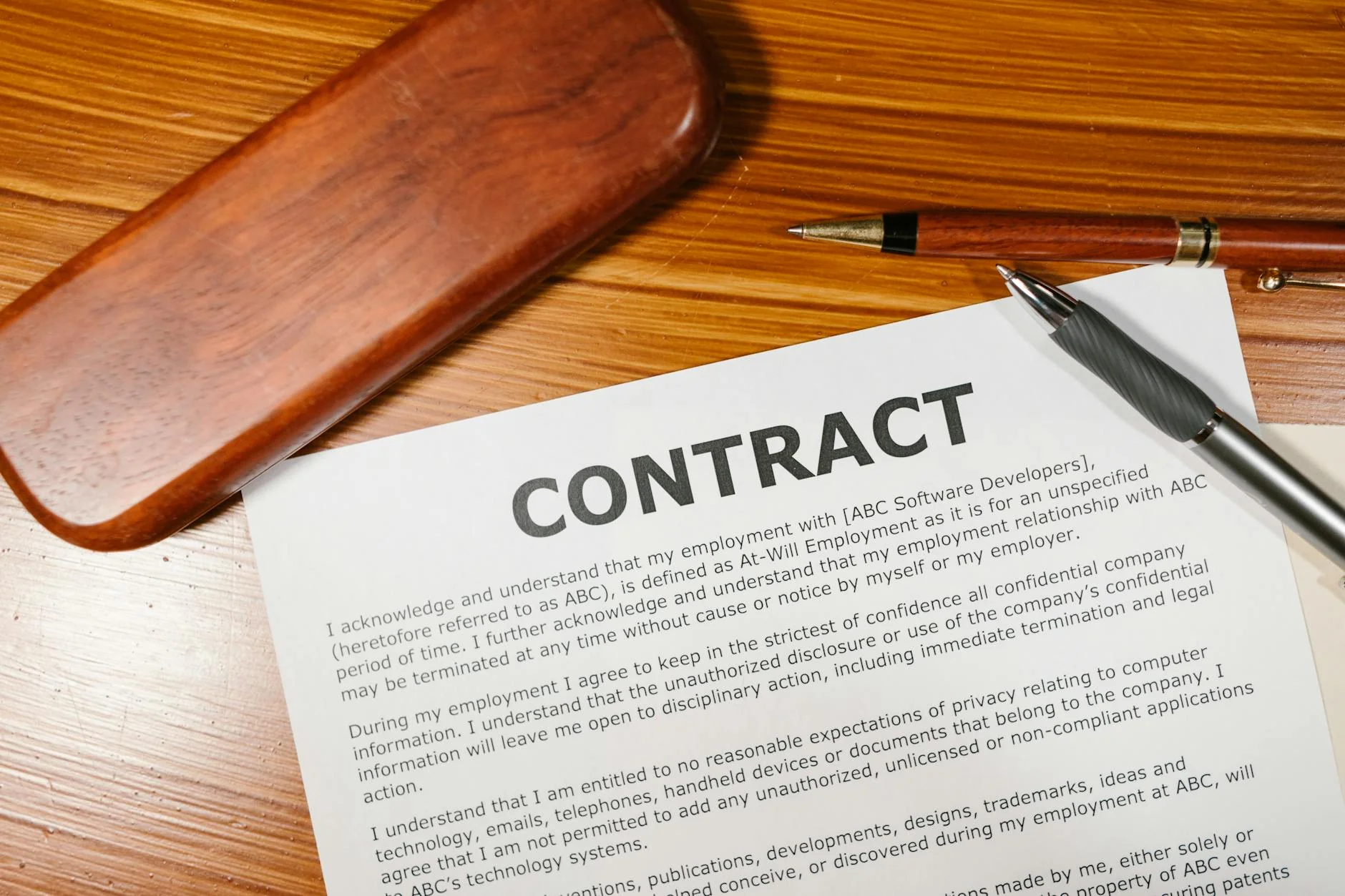
A conditional waiver of lien is the form a subcontractor signs in exchange for a payment that hasn't cleared yet. If the funds settle, the lien rights release. If they don't, the lien rights stay alive.
If you arrived here by typing those four words into Google, you're looking for the same form most of the industry now calls a conditional lien waiver. Same document, two word orders, one is older. The rest of this post is about why both phrases survive, which one your statute uses, and how to fill the form out so it actually works.
Why two phrasings for the same form
"Waiver of lien" is the older legal phrasing. It comes from the mechanic's-lien statutes most U.S. states wrote between roughly 1870 and 1940, when "lien" was the noun the document acted on and "waiver" was the verb-form noun describing what you were doing to it. Pennsylvania, Michigan, Illinois, New Jersey, New York, and most of the Northeast and Great Lakes states still use that wording in their lien codes.
"Lien waiver" is the modern construction-industry shorthand. It's the phrasing the AIA uses on its standard forms, the wording California adopted when it rewrote Civil Code §§8132–8138 in 2010, and the way most software and accounting platforms label the document today.
The legal effect is identical. Courts treat the two phrases as interchangeable when interpreting a contract or statute. If your form says "Conditional Waiver of Lien Upon Progress Payment" at the top and the state statute references a "conditional lien waiver," the form is still the form. The order of the words doesn't change which lien rights the signer is releasing.
For the deep-dive version of the document itself, the four-type matrix, and the timing rules, the conditional lien waiver pillar guide is the canonical reference on this site.
What "conditional" actually adds to the form
A waiver of lien, with no modifier, is a signed release of mechanic's-lien rights for a specific scope of work. The signature is the consideration. The check is the consideration on the other side. Sign, pay, dispute layer goes away.
The "conditional" part inserts one rule. The release of lien rights only fires after the payment described on the form actually clears.
It's a contingent promise. The sub signs first. The general contractor sends the check. When the funds settle in the sub's account, the waiver's condition is met and the lien rights release on that date for that amount. If the check bounces, the wire reverses, or the ACH gets rejected, the waiver has no legal effect. The sub keeps every lien right they walked in with.
That contingency is the entire reason this form exists as a separate instrument from the unconditional version. One is for "we're about to pay." The other is for "we already paid, and here's the audit trail."
For a side-by-side look at the four forms in the family, conditional vs unconditional lien waivers breaks down the 2x2 with the trap GCs fall into when they reverse the order.
The two variants you'll actually use
The conditional waiver of lien splits into two forms based on payment phase. Progress and final.
Conditional waiver of lien upon progress payment. The sub signs in exchange for a progress check covering work through a specific through-date. The release fires for that work, and only that work, when the check clears. This is the form you send with every pay app during the active project. About 90% of waivers a healthy GC sends in a year sit in this slot.
Conditional waiver of lien upon final payment. Same logic, wider scope. The sub releases all lien rights for the entire project, contingent on the final payment clearing. This is the closeout form. The signed PDF goes in the project closeout folder once the funds settle. For the deep version with retention and warranty edge cases, conditional waiver and release upon final payment covers the closeout variant in detail.
Both forms need the same five elements regardless of state. Claimant name. Project address and owner. Through-date. Payment amount. Signature. The federal E-SIGN Act makes electronic signatures valid in every U.S. state for this kind of document, so a phone-signed PDF is as binding as a wet-ink one.
States that still use "waiver of lien" in their codes
Twelve states prescribe a statutory form for lien waivers and make non-statutory waivers either void or unenforceable. The split between the two phrasings tracks roughly to when each state last rewrote its lien chapter.
States that use "lien waiver" wording in their current statute. California, Texas, Florida, Nevada, Arizona. These are the modern rewrites, mostly from the 2010–2014 window.
States that still use "waiver of lien" wording, or use both interchangeably, in their lien codes. Michigan (MCL §570.1115 is the live one for conditional partial waivers), Mississippi, Missouri, Georgia, Wyoming, Utah, and Massachusetts. The forms themselves are functionally identical to the California-style structure. The header just reads "Waiver of Lien Upon Progress Payment" or "Conditional Partial Waiver of Lien" instead of "Conditional Lien Waiver."
The 38 non-statutory states accept any waiver with the five elements above, in either phrasing, as long as the form clearly describes the conditional trigger and the work being released. Most general contractors operating across multiple states keep one master template and let the form picker drop in the right statutory language when the project state demands it.
For state-specific rules, California lien waiver requirements and Texas lien waiver requirements cover the two largest statutory states in detail.
How to fill a conditional waiver of lien without breaking it
The form is short. Maybe ten lines on most templates. The mistakes that void it are also short, which is why they happen so often.
Match the amount on the form to the check, to the dollar. If the form says $48,200 and the check clears for $42,200, some courts read the mismatch as a substantial deviation and refuse to enforce the release. The amount field exists to define what the contingent release covers. Round numbers aren't the enemy. Mismatched ones are.
Put a through-date on every progress waiver. A conditional waiver of lien upon progress payment without a through-date releases lien rights for an indefinite period. That's the form the sub's lawyer wants on cross-examination if the check ever bounces. The through-date is usually the last day of the pay period. Write it in even when the template doesn't force you to.
Date the signature on or after the through-date. A waiver signed April 30 with a through-date of May 15 releases lien rights for work that hadn't been performed yet. Reverse the dates and the form is doing the opposite of what you want.
Identify the claimant by legal entity name. Not "Joe's HVAC." The exact name on the sub's W-9. If a court has to figure out which entity signed the release later, you want zero ambiguity.
For the field-by-field walkthrough, how to fill out a lien waiver covers each line of the standard form with examples.
Common mistakes that void a conditional waiver of lien
Four patterns show up in disputes more than the rest combined.
Sending the form after the payment cleared instead of before. If the funds already settled, the form you want is unconditional, not conditional. Sending conditional after the fact creates an audit-trail gap that lawyers love. The signed document references a contingent release that's already been satisfied, which means it does nothing the unconditional form wouldn't have done with a cleaner paper trail.
Using a generic "Waiver of Lien" template on a California, Texas, Florida, Nevada, or Arizona project. Those five states require the statutory form. A generic waiver is either void or unenforceable, depending on the state. The 38 non-statutory states forgive a generic template. The five statutory ones don't.
Skipping the dollar amount. A waiver with a blank amount field is a waiver of indefinite scope. Courts will sometimes narrow it to the check amount. Often they won't. Fill the line in.
Resending an old signed waiver instead of generating a fresh one each pay period. A waiver dated three pay periods ago doesn't match the current check, the current through-date, or the current scope. Generate a new request for every pay app. The cost of a fresh signature is ninety seconds. The cost of recycling an old one is a partial-release argument in court.
The Construction Financial Management Association publishes practitioner guides covering these patterns in more detail.
How LienDone handles the older phrasing
When you generate a waiver request in our lien waiver software, the type defaults to conditional progress. The form header reads whatever your state statute prescribes. For California projects, "Conditional Waiver and Release on Progress Payment." For Michigan projects, "Conditional Partial Waiver of Lien." For non-statutory states, a clean "Conditional Lien Waiver" header with the five required fields.
The amount and through-date pre-fill from the pay app data. Your sub clicks the link from their email, signs in two minutes on their phone, and the signed PDF lands in your dashboard with a timestamp and the IP address logged. When the funds settle, you can send the matching unconditional waiver in one click to close out the audit trail.
The signing experience is built so your sub sees your company name first and the LienDone branding second. That's a subcontractor compliance detail that matters in practice. The form they sign markets your professionalism, not our software.
For the two-minute end-to-end walkthrough, how to send a lien waiver in two minutes covers the day-to-day flow.
The takeaway
A conditional waiver of lien is the same form as a conditional lien waiver. The "waiver of lien" wording is older and still lives in several state statutes and template libraries, especially in the eastern half of the country. The "lien waiver" wording is the modern industry default.
Pick the form variant that matches the payment phase. Progress for an active job, final for closeout. Fill in the amount, the through-date, and the claimant name. Send it before the check clears, file the signed PDF after the funds settle. That's the entire operating loop.
FAQ
Is a conditional waiver of lien the same as a conditional lien waiver?
Yes. Same legal instrument, two word orders. The older phrasing still appears in Michigan, Illinois, Massachusetts, New Jersey, and several other eastern-state statutes. The modern phrasing is more common in California, Texas, and Arizona statutes after their 2010s rewrites. Courts treat the two phrases as interchangeable.
When does a conditional waiver of lien take effect?
The moment the payment on the form actually clears the claimant's bank account. Before the funds settle, the waiver has no legal effect.
Do I send a conditional waiver of lien before or after payment?
Before. After the check clears, the right form is unconditional. Sending conditional after the fact is the most common mistake in this part of construction finance.
Is a conditional waiver of lien legally binding?
Yes. It's a binding contract from the moment of signature. "Conditional" defines the trigger that releases the lien rights, not the bindingness of the document.
Which states still use "waiver of lien" in their statutes?
Michigan, Illinois, Massachusetts, New Jersey, New York, Mississippi, Missouri, and several other midwestern and eastern states use the older phrasing in their lien codes. California, Texas, Florida, Nevada, and Arizona use "lien waiver" wording after their statutory rewrites. The form does the same job in every state.
Frequently asked questions
Yes. They're the same legal instrument with the words in a different order. "Conditional waiver of lien" is the older statutory phrasing used in several eastern-state codes and on older form titles. "Conditional lien waiver" is the modern construction-industry shorthand. The document does the same thing either way.



Related tools and guides
Send your next waiver in two minutes.
Pick the project, pick the sub, hit send. The signed PDF lands in your dashboard.
Get startedSee pricing