


Why Subcontractor Payments Take So Long, and How GCs Cut That Time
Sourced 2022-2026 data on subcontractor payment delays: how long the wait actually is, what it costs the industry, and the three points where a construction payment cycle stalls.

General contractors get paid within 30 days more than twice as often as their subcontractors do. That single comparison, from Levelset's 2022 Construction Cash Flow & Payment Report (519 construction companies surveyed), is the cleanest evidence that a payment delay isn't really about the owner or the bank. Most of it happens in the paperwork exchanged between GC and sub, the part both sides can actually fix.
This is a data-first look at where a construction payment cycle stalls and what closes each gap, not another pay app comparison. We already wrote that one. This is the layer underneath it.
The numbers, with sources
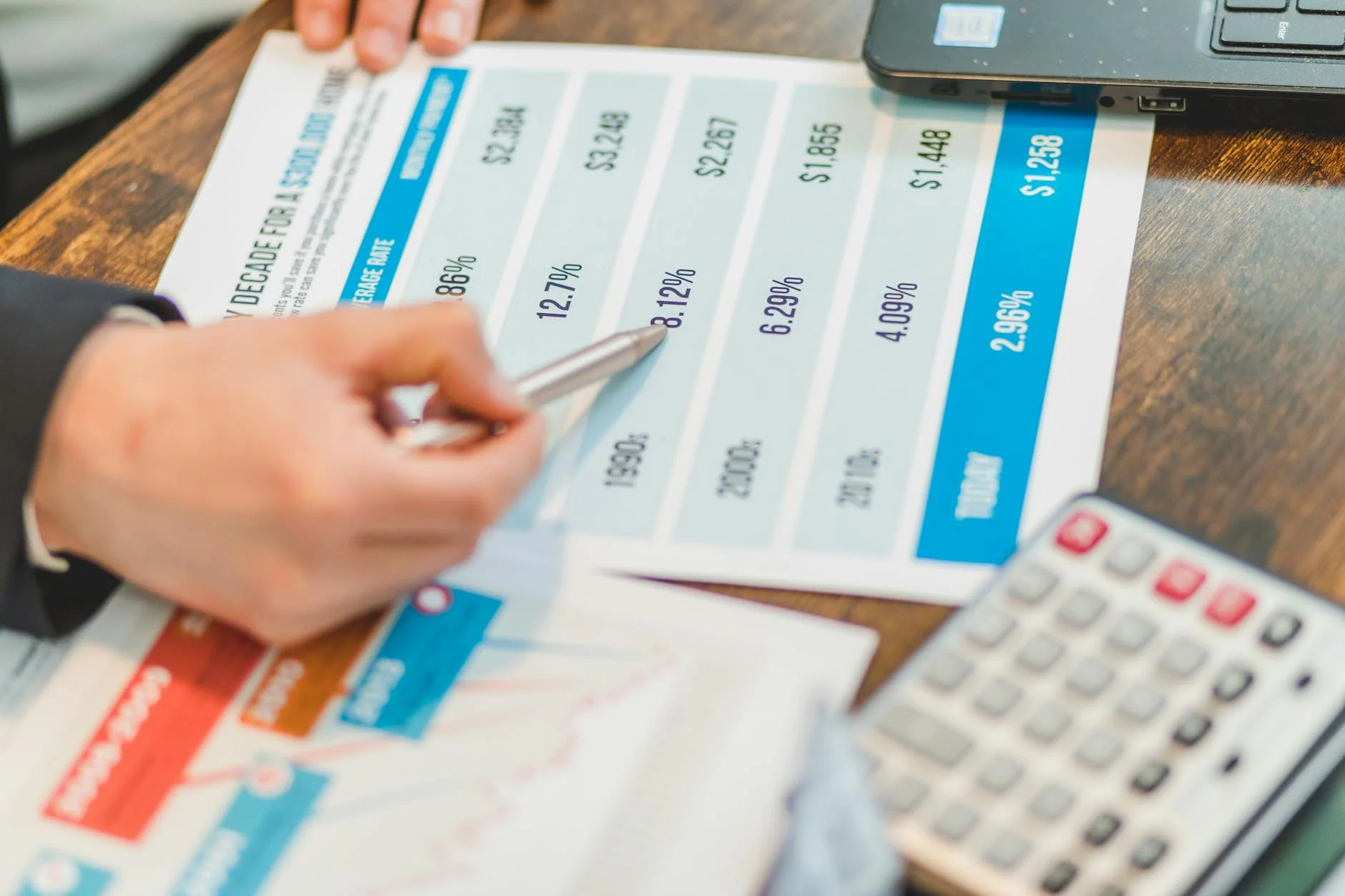
- Construction's average Days Sales Outstanding runs around 90 days, roughly double the 45-day mark healthy commercial businesses hit (Levelset, 2022 report, referencing industry DSO research).
- Only 5% of subcontractors report always being paid on time, against 21% of general contractors (Levelset, 2022, 519 companies surveyed).
- Slow payment is estimated to drain $280 billion a year from the US construction industry as of 2024, up from $208 billion in 2022 and $100 billion in 2020 (Rabbet's construction payment survey data, via DocJoist's 2026 construction payment statistics report).
- 74% of contractors reported moderate to severe cash-flow challenges in 2024 (Dodge Construction Network, per the same DocJoist compilation).
- The average wait between submitting a pay app and receiving payment runs about 56 days (Billd, 2025 data).
Read those together and a pattern shows up: it's not that owners refuse to pay. It's that the distance between "work done" and "check cleared" has too many manual steps, and every one of them adds days.
The three points where a payment cycle actually stalls
1. Pay app review on the GC side. The schedule of values gets reconciled against actual work in place, retainage gets recalculated, and someone checks the math before it goes to the owner or lender. This is what pay app software (Procore Pay, Siteline, GCPay, Trimble Pay, Built) is built to speed up. We compared all seven of the major tools here.
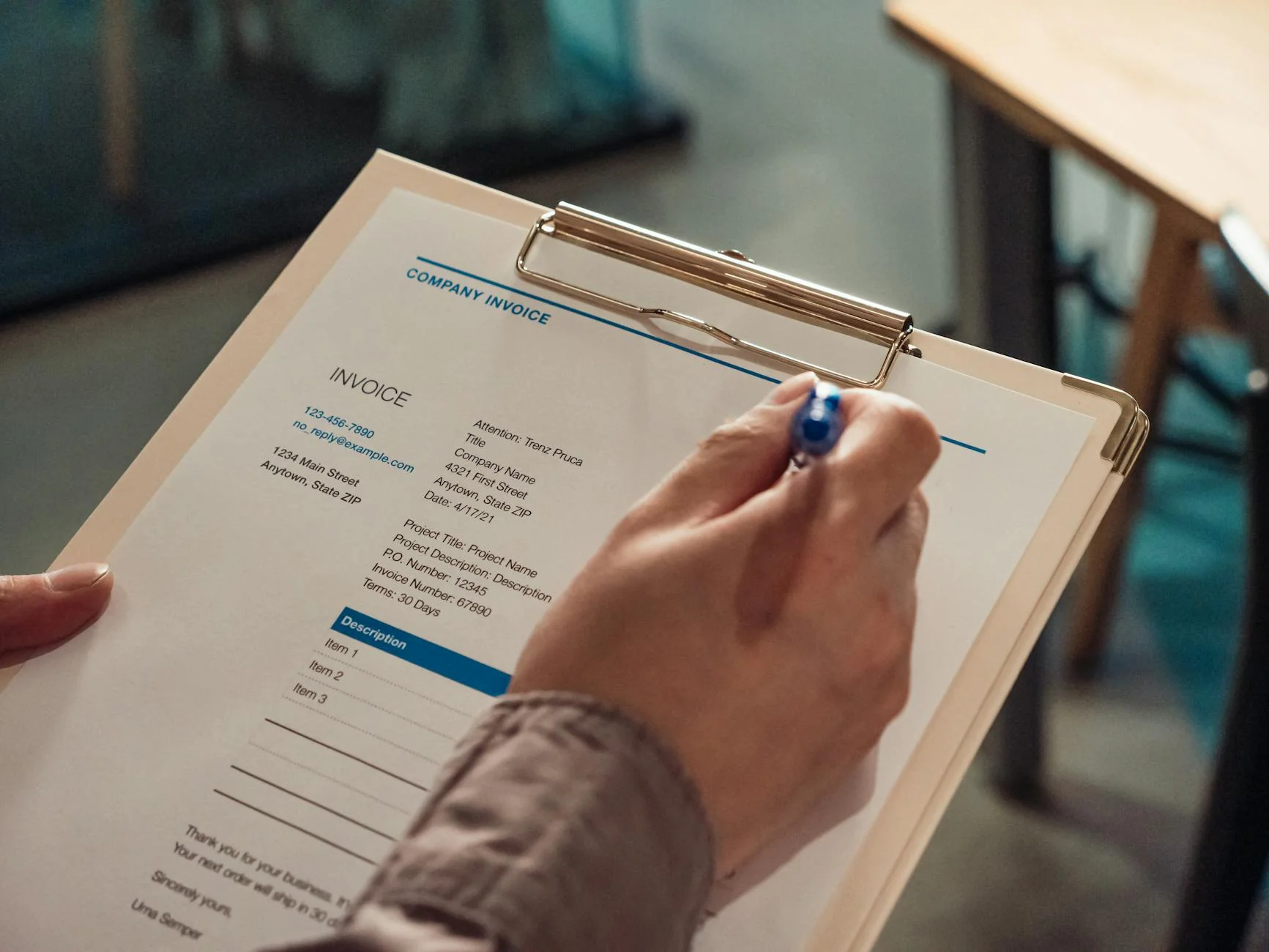
2. The lien waiver. Most states require a signed waiver before a payment releases, and the form has to be the right one, conditional or unconditional, progress or final, in the wording that specific state's statute requires. When this step runs on email, it's the one most likely to stretch a same-week payment into a two-week one. Nobody re-keys a schedule of values for it, they just wait on a signature.
3. Owner or lender draw timing. Once the GC submits, disbursement runs on the owner's or lender's schedule. This piece sits furthest from a GC's direct control, though a clean, complete draw package (pay app plus every waiver already signed) gets reviewed faster than one an accountant has to chase pieces for.
Of the three, the lien waiver step is the one most GCs treat as an afterthought and the one that's cheapest to fix. It doesn't require new accounting software or a lender conversation, just a faster way to get a signature.
What "payment transparency" actually means here
A transparent payment process is one where the GC and the subcontractor are both looking at the same status, not one where the sub calls the office to ask. In practice that means two things exist somewhere the sub can see them: where the pay app sits in approval, and whether the compliance paperwork, the lien waiver, is signed. Most GCs have the first (a pay app tool or at minimum a spreadsheet). Far fewer have the second visible to the sub at all, it usually lives in an email thread only the office manager can search.
What actually closes the gap
| Bottleneck | What fixes it | Where to start |
|---|---|---|
| Pay app review is slow or manual | Pay app software with schedule-of-values tracking | Compare the 7 major tools |
| Retainage math gets argued over | A retainage calculator both sides trust | Free retainage calculator |
| Lien waivers get chased by email | Dedicated lien waiver software with statutory forms | LienDone, $99 a month |
| Nobody has one place to check status | A compliance dashboard both GC and sub can reference | Covered by most lien waiver and pay app tools |
Where LienDone fits, honestly
LienDone is not a pay app platform and doesn't try to be. It's the second row in that table: a dedicated lien waiver layer that runs alongside whatever a GC already uses for billing, or alongside nothing at all for a GC still running pay apps as a PDF. The subcontractor gets a link, signs on their phone in about two minutes with no account to create, and the signed PDF lands in the GC's dashboard the moment they submit. Statutory forms cover 12 states word for word (California, Texas, Florida, and nine others), with a standard compliant form for the rest. Flat $99 a month, no per-waiver or per-seat charge, 14-day free trial.
If the slow part of your payment cycle is the billing side, one of the seven pay app tools compared here is the right purchase. If it's the waiver chase, that's the gap LienDone was built for.
FAQ
What is the best software for construction payment transparency?
Transparency means the GC and the subcontractor can both see the same payment status without a phone call. That's two separate systems working together, a pay app tool (Procore Pay, Siteline, GCPay, Trimble Pay, or Built) tracking where the invoice sits, and a lien waiver tool tracking whether the compliance document is signed. Neither alone gives the full picture. Together, a sub can see "pay app approved, waiver pending" instead of guessing.
Why do subcontractor payments take so long?
Three points in the cycle stall most often. GC-side pay app review (retainage math, schedule of values reconciliation), a lien waiver that hasn't come back signed, and owner or lender draw disbursement timing. Levelset's 2022 Construction Cash Flow & Payment Report found general contractors more than twice as likely as subcontractors to be paid within 30 days, which points at the middle step, the paperwork exchanged between GC and sub, as the piece most within a GC's control.
How much does slow payment cost the construction industry?
One widely cited estimate puts it at $280 billion a year industry-wide as of 2024, up from $208 billion in 2022 and $100 billion in 2020 (Rabbet's construction payment survey data, compiled in DocJoist's 2026 construction payment statistics report). The trend line matters more than any single figure, the cost has climbed every year it's been measured.
What makes a construction payment process more agile?
Removing the manual handoffs that stall it. The two that show up most in the data are chasing a lien waiver by email, which routinely adds days per subcontractor, and re-keying the same schedule of values into a second system for the waiver after it's already in the pay app. A process is agile when a sub can sign in minutes on a phone and the status updates without anyone re-entering data.
Does pay app software fix subcontractor payment delays?
It fixes the billing half, generating the AIA G702/G703, tracking retainage, routing approvals. It doesn't necessarily fix the compliance half. Some pay app platforms bundle lien waiver collection (Procore Pay does), others don't, and even the ones that do often lean on a standard form rather than the exact statutory language a state like California or Texas requires. Check the waiver step specifically, not just the billing workflow.
Does LienDone replace pay app software?
No. LienDone is a dedicated lien waiver layer that runs alongside whatever pay app software a GC already uses (or none at all, at 1-2 active jobs a lot of GCs run pay apps as a PDF). It doesn't generate G702s or track a schedule of values. What it does is get the statutory waiver signed, fast, no account required for the subcontractor, at a flat $99 a month.
The takeaway
Owners aren't the reason subcontractor payments run slow. The distance between a completed pay app and a signed lien waiver is. Fix the pay app side with the right billing tool, fix the waiver side with a signing flow subs will actually use, and the 56-day wait starts closing from both ends.
Frequently asked questions
Transparency means the GC and the subcontractor can both see the same payment status without a phone call. That's two separate systems working together, a pay app tool (Procore Pay, Siteline, GCPay, Trimble Pay, or Built) tracking where the invoice sits, and a lien waiver tool tracking whether the compliance document is signed. Neither alone gives the full picture. Together, a sub can see "pay app approved, waiver pending" instead of guessing.

Send your next waiver in two minutes.
Pick the project, pick the sub, hit send. The signed PDF lands in your dashboard.
Get startedSee pricing