


Pay application. What it is, how it works, and why it isn't an invoice
A pay application is the document a contractor submits to get paid for work in place. Here's what's in one, how the monthly cycle runs, and where most pay apps get bounced.
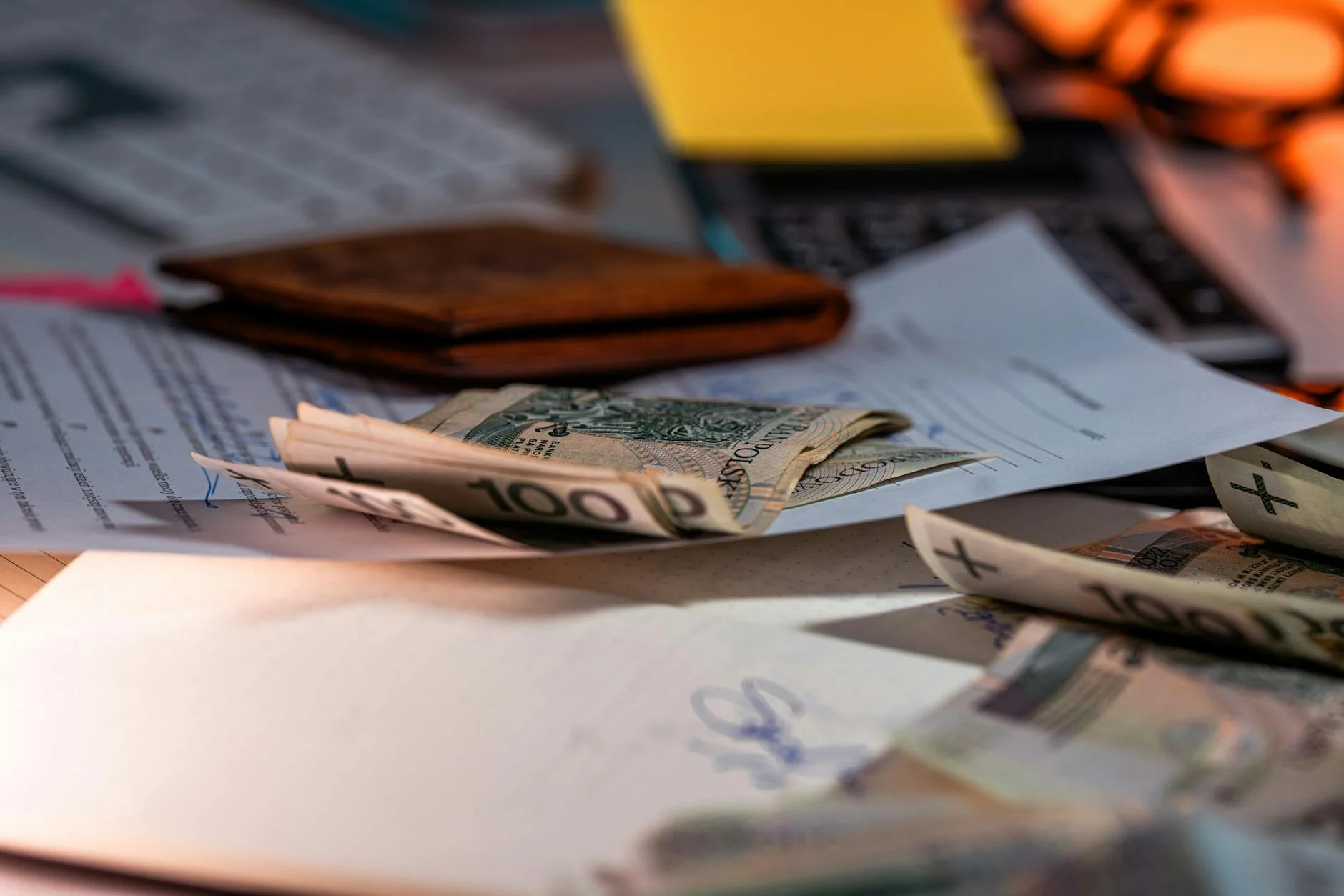
A pay application is how you get paid in construction.
It looks like an invoice but acts like a draw request, audit packet, and lien-waiver vehicle rolled into one. Most contractors will fill out 8 to 12 of them per project, per year. Most of them will be sent back at least once. And every one that ships incomplete sits in the architect's inbox while payroll comes due.
This post covers what a pay application actually is, what goes inside, how the monthly cycle runs, and why the lien waiver attached to the packet is the part that most often holds up the check.
What a pay application is (and what it isn't)
A pay application (pay app for short, sometimes called an application for payment or a draw request) is a formal request for payment for work and materials in place during a specific billing period.
It is not an invoice.
An invoice is a number on letterhead. A pay app is a packet that proves the number. The packet typically includes:
- A cover sheet that summarizes the contract sum, work completed to date, retainage withheld, prior payments, and the current amount due
- A schedule of values broken down line by line, with percent complete and dollars billed per item
- Executed change orders from the billing period
- Lien waivers from every claimant being paid on the draw
- Backup documentation the contract requires: certified payrolls, stored-materials photos, supplier invoices, OSHA reports, etc.
The point is that the pay app proves the work happened. The old line in construction billing, contractors don't get paid for the work they complete, they get paid for the work they document, is the entire thesis. The packet is the documentation.
The two most common pay-app formats in U.S. construction are the AIA G702/G703 pair and the ConsensusDocs 292. The AIA forms cover roughly 80% of private commercial work. Public jobs use state-specific forms that map to the same fields. For the AIA-specific mechanics, application for payment in construction covers the line-by-line breakdown of G702 and G703.
What's actually inside a pay app
Five components show up on almost every pay app, regardless of which form your contract names.
The cover sheet. One page that tells the story of the draw in 10 numbers: contract sum, change orders to date, contract sum adjusted, total earned through this period, retainage, total earned less retainage, prior payments, current payment due, balance to finish, and the change order summary. The math has to reconcile to the schedule of values exactly. A dollar off and the packet bounces.
The schedule of values (SOV). A list of every work item on the contract with each item's contract value. Total contract value = total contract sum. The SOV doesn't change once the contract is signed (it can be amended for change orders, but not freely reshuffled). For every pay period, you update percent complete on each line, which produces the dollars billed for the period. This is the document that proves you're not front-loading the cosmetic work to pull cash early.
Change orders. Anything that changed the contract scope, price, or schedule, executed in writing. A change order discussed at a coordination meeting but not signed is not billable. Owners don't pay against verbal commitments. The change order log on the pay app must match the change orders attached as supporting documents.
Lien waivers. A conditional progress waiver for the amount being requested, signed by each claimant on the draw. Unconditional waivers from the previous period (once those checks cleared) get attached as audit proof. The four-form framework, conditional and unconditional lien waivers in progress and final variants, is the legal backbone of every pay app.
Backup. Whatever the contract specifies. Certified payrolls on prevailing-wage jobs. Supplier invoices and bills of lading for stored materials. Photos of completed work. Insurance certificates. The contract sets the list; the field team has to deliver it.
If any of the five is missing or doesn't reconcile, the packet sits.
The pay application cycle
The cycle is the same on most commercial jobs. The contract names the dates; here's what they typically look like in practice.
Days 1–25: work happens. Crews log progress. Subs and suppliers track costs against the schedule of values. Lower-tier pay apps get prepared (subs to prime, sub-subs to subs).
Day 25: billing cutoff. The contract names the period-end date. Work completed after this rolls into next month's pay app.
Days 26–30: the prime assembles the packet. The prime's accounting team updates the schedule of values, reconciles change orders, folds in the subs' pay apps, and chases down lien waivers. The lien-waiver part is where most pay apps stall. On a 50-sub job, that's 50 emails, 50 reminder calls, and a 10% chance the prime is still chasing two waivers on day 30.
Day 1: submission. Most contracts require submission by the 1st or the 5th of the following month. The owner's representative (often the architect on AIA jobs) reviews the cover, the SOV, the change orders, and the waivers. They certify a payment amount, which can be less than what was requested if a line is overbilled or a waiver is missing.
Days 30–60: payment lands. Standard contracts pay 30 days net from certification, though typical payment terms for contractors show commercial subs wait closer to 83 days from invoice to deposit. Federal Prompt Payment terms require 7 days for primes on federal work and 7 days from primes to subs after the prime is paid. State prompt-pay statutes set tighter clocks on government and (in some states) private work.
Repeat 8 to 12 times. On a 10-month job, you'll send 10 pay apps and 10 sets of waivers. On a $5M job, that's roughly $500K of cash flow riding on each cycle. Every late pay app is a payroll problem.
Why pay apps get bounced
The work is real. The packet is incomplete. That's the pattern.
Five reasons pay apps get rejected, ranked by how often we see them in the field:
- Math errors between the cover and the schedule of values. The total completed on the cover doesn't match the column G sum on the SOV. Usually because a change order was logged on one form and not the other.
- Missing lien waivers. A pay app without conditional waivers from the subs being billed is incomplete. The architect can't certify it. The owner won't pay against it.
- Untracked change orders. A change order discussed but not executed in writing is not billable. The owner won't pay for it. The pay app gets cut to the contract sum and the change is parked for next period.
- Overbilled lines. Billing 85% complete on framing when the architect's site walk says 55% gets the line cut. Repeat offenders get treated with suspicion on every line after.
- Stored-materials documentation gaps. Column F on the AIA G703 (materials presently stored, not yet installed) almost always requires photos, supplier invoices, and proof the materials are insured and on-site. Skip the proof and the line gets zeroed out.
None of those are work problems. All of them are documentation problems. The fix isn't doing better work; the fix is shipping a tighter packet.
The lien waiver question
This is the part most pay-app guides skim, and it's where most contractors get burned.
Almost every pay app in U.S. construction requires lien waivers. The standard pattern:
- Conditional progress waiver rides along with the pay app, signed by every claimant, for the amount being requested. It releases lien rights only if the payment actually clears. If the check bounces, the lien rights stay intact.
- Unconditional progress waiver follows once the check clears, as proof the lien rights for that period are now released.
If you're the prime, you collect waivers from every sub on every pay app. If you're a sub, you sign one and hand it up. The math gets ugly quickly: a 30-sub job with 10 monthly pay apps is 300 waivers a year. A 50-sub job is 500. The manual email-chase model breaks once you cross 20 active subs, which is why pay-app software and lien-waiver software both exist as separate categories. For a pay-app software roundup covering the seven tools mid-market GCs actually shortlist, see the side-by-side comparison.
Some states (California, Texas, Florida, Nevada, Missouri, and seven others) require statutory waiver forms. Generic templates aren't enforceable. California lien waiver requirements walks through the four statutory forms there. The same logic applies anywhere the state has prescribed language.
For the day-to-day flow of attaching a waiver to a pay app without the email chase, how to send a lien waiver in two minutes covers what that looks like in practice.
Pay app at the prime / sub / sub-sub layers
A pay app isn't a single document. It's a stack that travels up the contracting chain.
The sub-sub. Lower-tier subs submit a pay app to their direct subcontractor. Smaller packets, shorter SOVs, but the same logic: percent complete by line, change orders, conditional waiver attached.
The sub. The sub aggregates its own pay app plus any sub-sub pay apps and submits to the prime. Most subs use a simplified form (often the prime's template) rather than full AIA. The waiver from the sub covers the sub's own work; sub-sub waivers ride underneath.
The prime. The prime assembles its pay app to the owner, rolling up every sub's pay app into the line items on the SOV. The prime's waiver covers the prime; sub waivers and sub-sub waivers are attached as supporting documentation.
The owner. Reviews, certifies, pays. The check goes to the prime. The prime distributes downstream. Each tier expects to be paid within a few days of the tier above getting paid. Most state prompt-pay statutes require it.
If a sub-sub doesn't get paid, the chain backs up. That's why lien rights exist at every tier, and why every tier signs waivers as proof of payment release.
Why the format matters less than the discipline
Construction is full of pay-app formats. AIA G702/G703. ConsensusDocs 292. State public-works forms. Owner-specific templates. Excel sheets built by accounting in 2012 and never updated.
The format doesn't make the difference. The discipline does.
A well-run pay app on a hand-built Excel sheet beats a sloppy AIA packet every time. The discipline that matters:
- The cover sheet math reconciles to the SOV math, every period
- Change orders are executed in writing before they hit the SOV
- Conditional waivers go out with every pay app, no exceptions
- Unconditional waivers come back as soon as the check clears
- Backup documentation matches the contract requirements, line by line
Get those five right and the format is a stylistic choice. Get them wrong and the prettiest AIA packet in the world still sits in the architect's inbox.
For GCs running pay apps and waivers as separate workflows, our pay app software handles the waiver layer that attaches to whatever pay-app system you already use. For subs trying to get paid faster on the other side of the table, subcontractor payment software covers the same loop from the sub's seat.
Where pay apps tie into the rest of the job
A pay app isn't a standalone document. It's a checkpoint in three other workflows.
Cash flow. Every pay app is a draw. Every late pay app is a cash gap. On a 10-month job with monthly draws, missing one cycle is a 10% cash-flow hit, usually right when payroll is biggest.
Closeout. The last pay app is the closeout pay app. It bills the final percentage on every line, releases retainage, and triggers the unconditional final lien waivers. What is GC pay covers the closeout end of the cycle and how pay-app software handles the final-period workflow.
Lien rights. A waiver is a lien-right release. Every pay app produces a waiver. Every waiver builds (or breaks) the lien-rights file the owner needs at closeout. On bonded jobs, the surety wants a clean waiver file before releasing the bond. Sloppy waiver hygiene during the job becomes a closeout-pay-app problem at the end of the job. The bill comes due eventually.
The takeaway
A pay application is a request for payment with documentation attached. It runs on a monthly cycle, lives or dies on its supporting forms, and almost never moves without a lien waiver riding along.
The work is rarely what gets a pay app rejected. The math, the missing waivers, the untracked change orders are. Fix the packet, send a conditional waiver with every request, send back the unconditional once the check clears, and the loop closes itself.
Pay apps are paperwork in service of cash flow. Tight paperwork pays.
FAQ
What is a pay application?
A formal request for payment a contractor submits for work completed and materials in place during a billing period. It includes a cover sheet, a schedule of values, executed change orders, and lien waivers for the parties being paid.
What is the difference between a pay application and an invoice?
An invoice is a single number. A pay application is a packet with the cover sheet, line-item schedule of values, change orders, lien waivers, and backup documentation that proves the underlying work.
How often are pay applications submitted?
Monthly on most commercial jobs. The contract names a cutoff date and a submission date. Payment lands 30 to 60 days later under standard terms, faster under federal and state prompt-pay statutes.
Who submits a pay application?
Every contractor owed money for work on the job. Sub-subs submit to subs, subs submit to the prime, the prime submits to the owner. Each tier rolls up into the next.
Does a pay application need a lien waiver?
On almost every commercial job and most residential ones, yes. A conditional progress waiver rides with the pay app for the amount requested. An unconditional waiver follows once the check clears.
What happens if a pay application is rejected?
It comes back for revision. The five most common reasons are math errors between the cover and the schedule of values, missing waivers, untracked change orders, overbilled lines, and stored-materials documentation gaps.



Send your next waiver in two minutes.
Pick the project, pick the sub, hit send. The signed PDF lands in your dashboard.
Get startedSee pricing